For Homes
We handle water in basements, ceilings, and floors for homeowners and tenants. Every visit starts with a walk-through and a moisture map.
- Burst pipe in a wall
- Sump pump failure
- Ceiling leak from roof
When a pipe lets go or the sump quits, Water Extraction Midland MI gets the standing water out before it spreads into drywall and subfloor. We handle water removal in Midland MI for homeowners, landlords, and business owners across Midland County, from a flooded basement to a ceiling leak. Same-day response, moisture readings before and after, and a written record you can hand to your insurer.
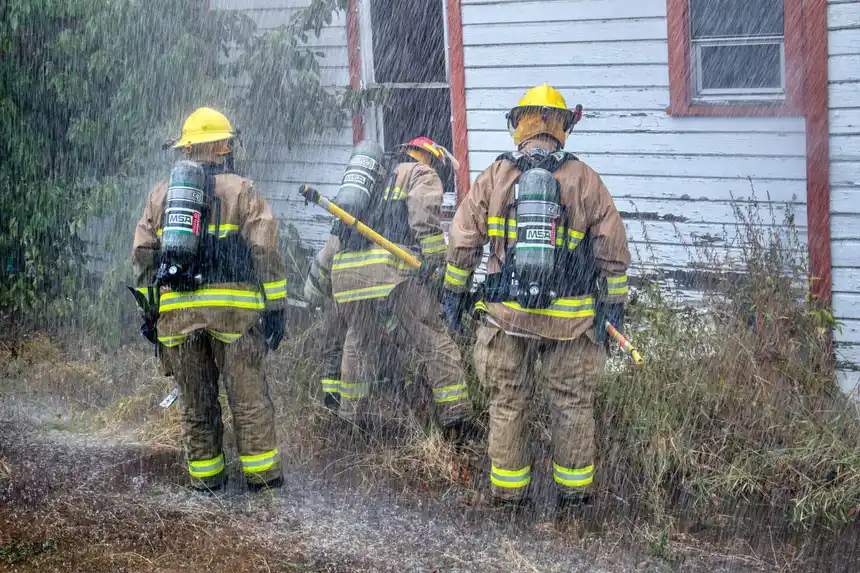 Find the sourceExtract standing waterLog moisture readings
Our standard extraction and drying package covers the water removal, the equipment, the daily monitoring, and the final documentation. Repair and rebuild work is separate, and we will tell you upfront what falls into each bucket so there are no surprises on the invoice.
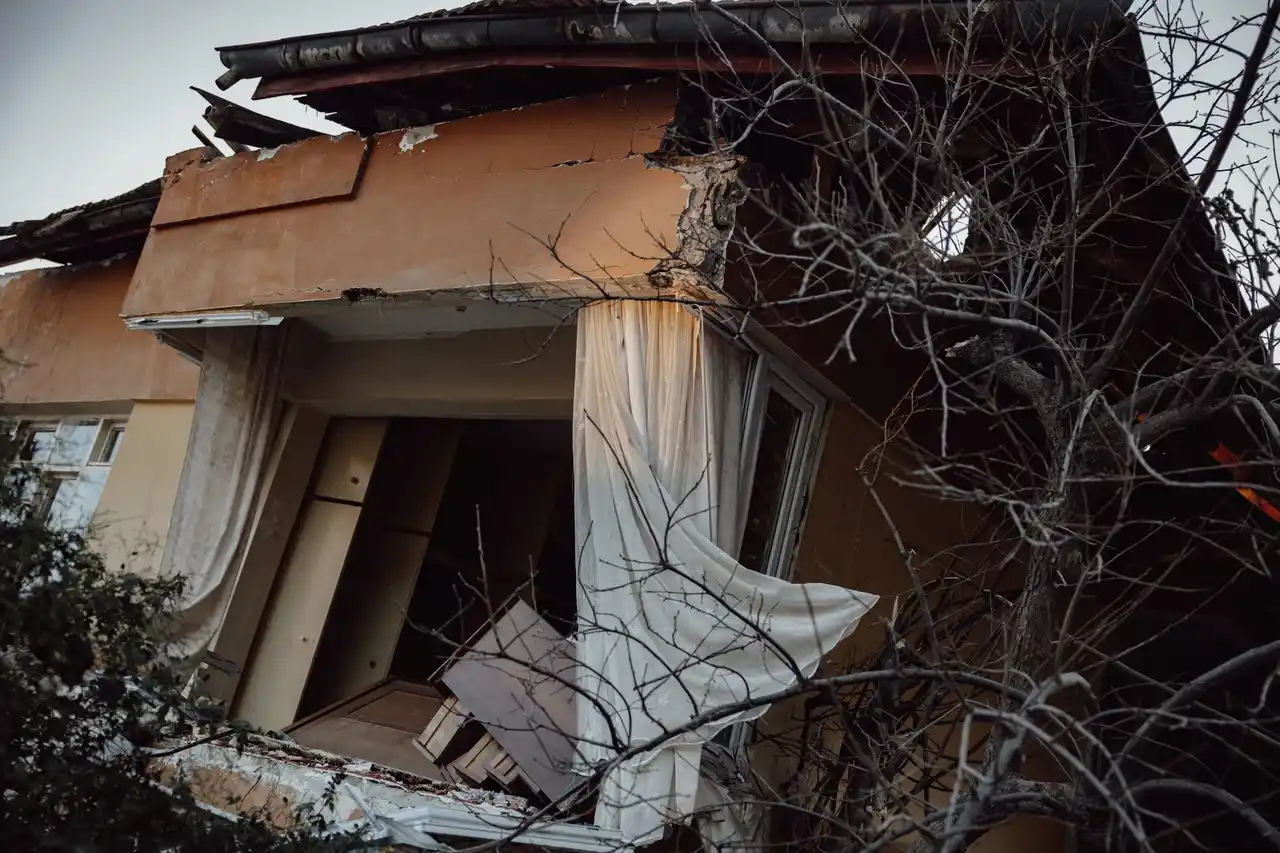
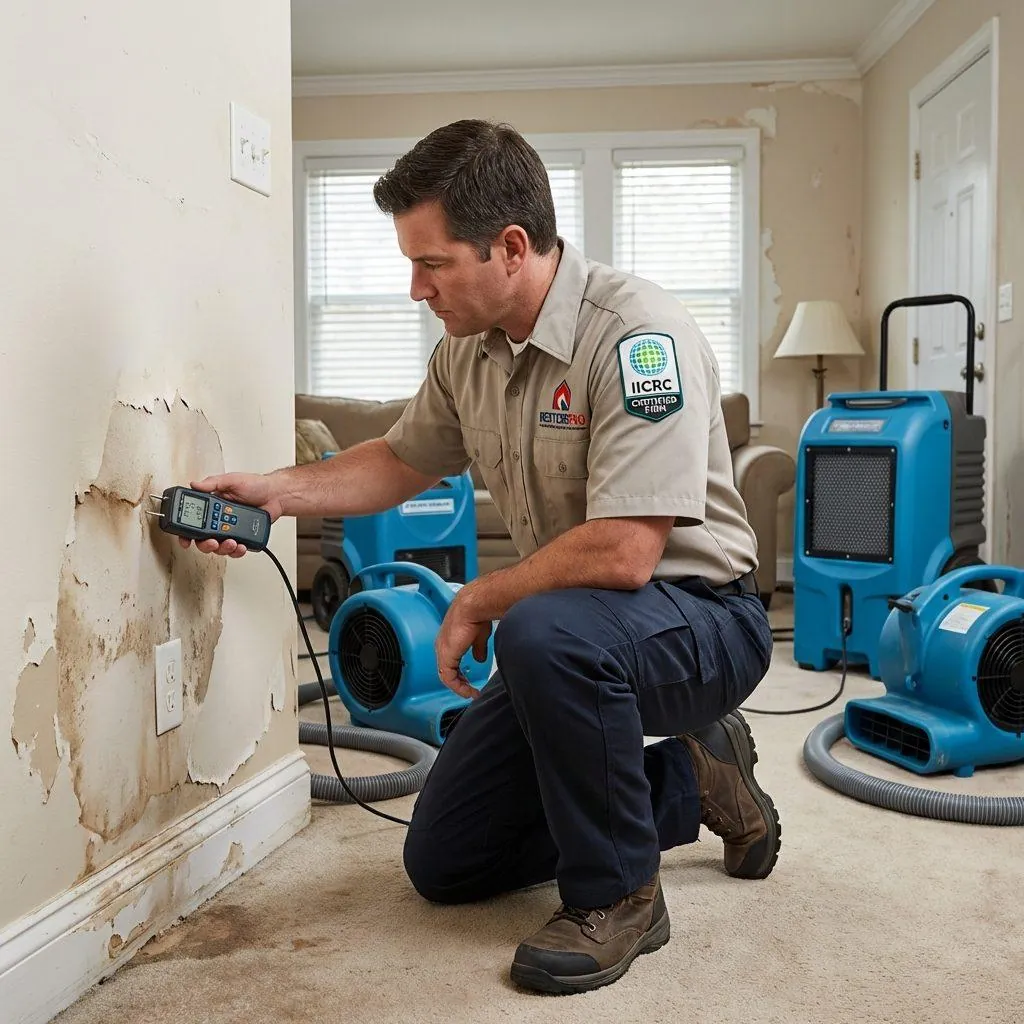
We map the affected area with a moisture meter and thermal imaging camera, check hidden cavities with a boroscope, and record humidity with a hygrometer. This tells us where the water went and how much equipment the job needs.
Truck-mounted and portable extractors pull standing water from carpet, pad, and hard surfaces. We use a wet/dry vacuum for edges and tight spots. On a flooded basement this stage can remove hundreds of gallons in a few hours.
Air movers and dehumidifiers are sized to the space and materials, using Dri-Eaz and Phoenix Restoration Equipment. We set a drying mat on hardwood and position equipment to dry walls and floors evenly.
We return each day to take readings and adjust the equipment layout. If a wall is drying slower than expected, we add airflow or change the setup. You get the log so you can see the progress.
Affected framing and cavities get an antimicrobial solution to discourage mold growth after water damage. We apply it after extraction and before drying equipment goes in, and we note it in the scope.
You receive the final moisture readings, photos, and a written summary of what was dried and what needs repair. The scope is written in Xactimate so your adjuster has the detail they need.
The approach is the same for a home and a business. What changes is the access, the schedule and who needs the paperwork.
We handle water in basements, ceilings, and floors for homeowners and tenants. Every visit starts with a walk-through and a moisture map.
We work around your hours to keep the doors open while we extract and dry. Property managers get the scope and readings they need.
A plain-language look at what Water Extraction involves and when it is needed.
See how it worksWater Extraction Midland MI is the mechanical removal of standing water and the trapped moisture that follows it, using extractors, air movers, and dehumidifiers sized to the job. It is not a shop vac and a fan. We map the moisture with a meter and a thermal imaging camera, pull the bulk water, then dry the structure to a documented target. Carpet padding, subfloor, and baseboard hold water long after the surface looks dry, and that hidden moisture is what turns a two-day job into a mold remediation.
Most calls we take in Midland come from a burst pipe, a failed sump pump, or foundation seepage after a hard rain. Winter adds its own problems: a frozen line thaws, and suddenly there is water in the ceiling. If you are searching for water removal near me in Midland Michigan at 2 a.m., we answer and roll. Our technicians carry IICRC WRT training, and we treat every job as a drying project, not just a pump-out.
Water extraction is a drying project, not just a pump-out.
Every job follows the same five steps, whether it is a single room or a whole basement. You will know what is happening, how long it takes, and what the readings say at each stage.
You call, we ask what happened and where the water is, and we head out. On arrival we walk the space with you, find the source, and shut it off if it is still running. We check for safety issues like a wet electrical panel before anyone starts work. The assessment takes 20 to 30 minutes.

We run a moisture meter and a thermal imaging camera across walls, ceilings, and floors to find water you cannot see. A hygrometer reads the room's humidity, and a boroscope goes into wall cavities where needed. This map tells us how much equipment the job needs and where it goes.
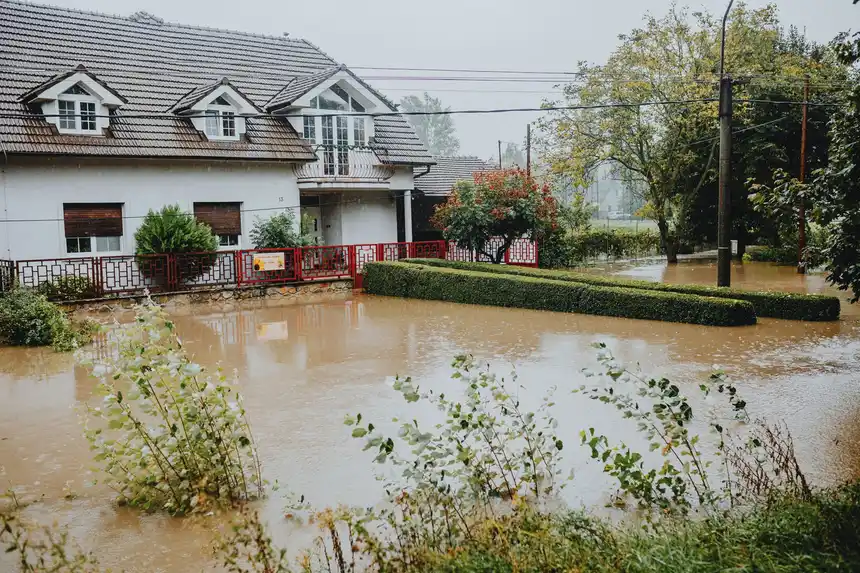
Truck-mounted and portable water extractors pull the bulk water from carpet, pad, and hard surfaces. A wet/dry vacuum handles the edges and tight corners. On a flooded basement, this stage alone can remove hundreds of gallons in a couple of hours. We keep extracting until the surface water is gone.
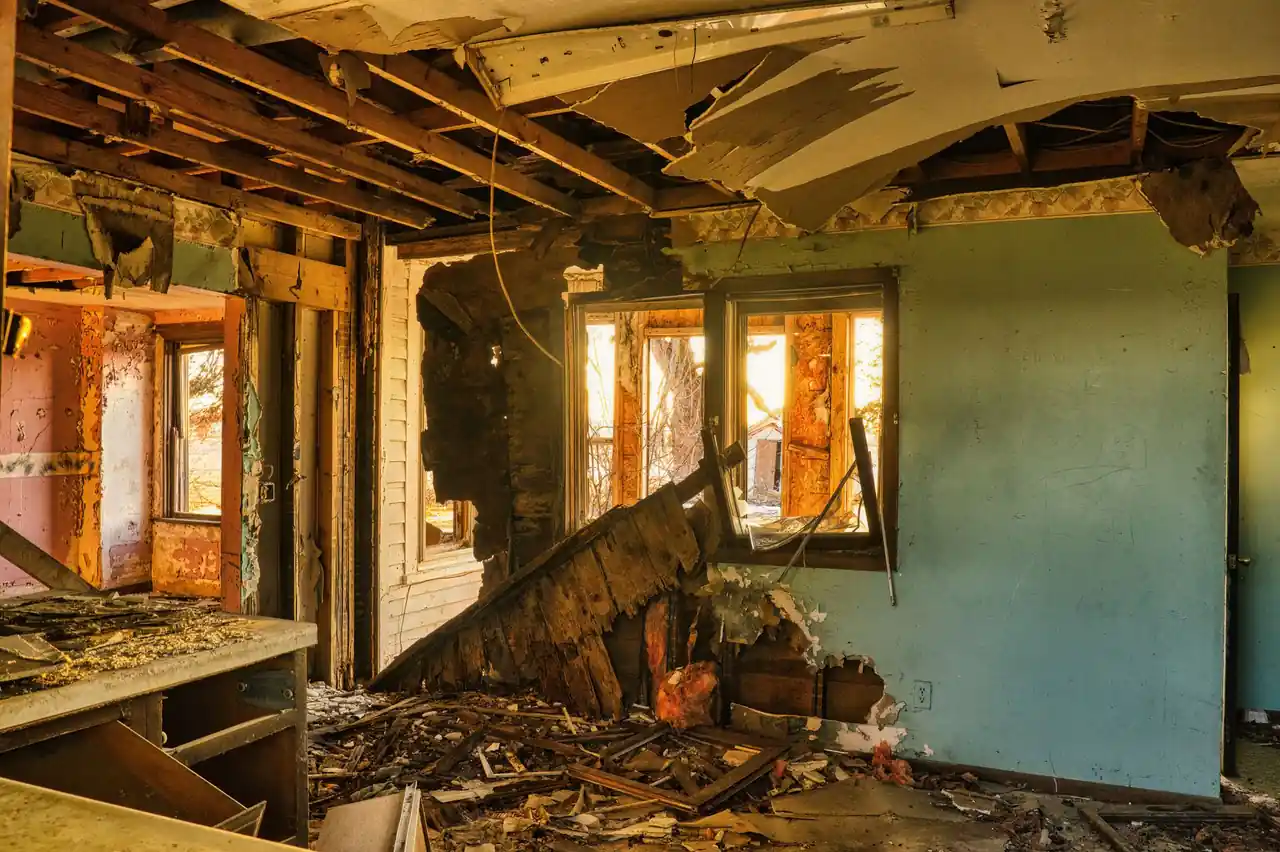
Air movers and dehumidifiers go in place, sized to the cubic footage and the materials we found. We use Dri-Eaz and Phoenix Restoration Equipment, and we set a drying mat on hardwood. Equipment runs continuously, and we return daily to take readings and adjust the layout.
We do not call it done until the meter matches the dry standard for the material. That usually takes three to five days, sometimes longer for a slab or dense subfloor. You get the final readings, photos, and a summary of what was dried and what needs repair or replacement.
Move across a circle, or focus it and press Enter, for an illustrative thermal view of the photograph.
Finds temperature differences that reveal hidden moisture behind walls and above ceilings, so we cut out less and dry more in place.
Measures moisture content in materials and humidity in the air. We use the readings to set the drying goal and to prove the structure is dry.

Pulls standing water from carpet, pad, and hard surfaces. The extractor handles the bulk; the vacuum gets the edges and tight corners.
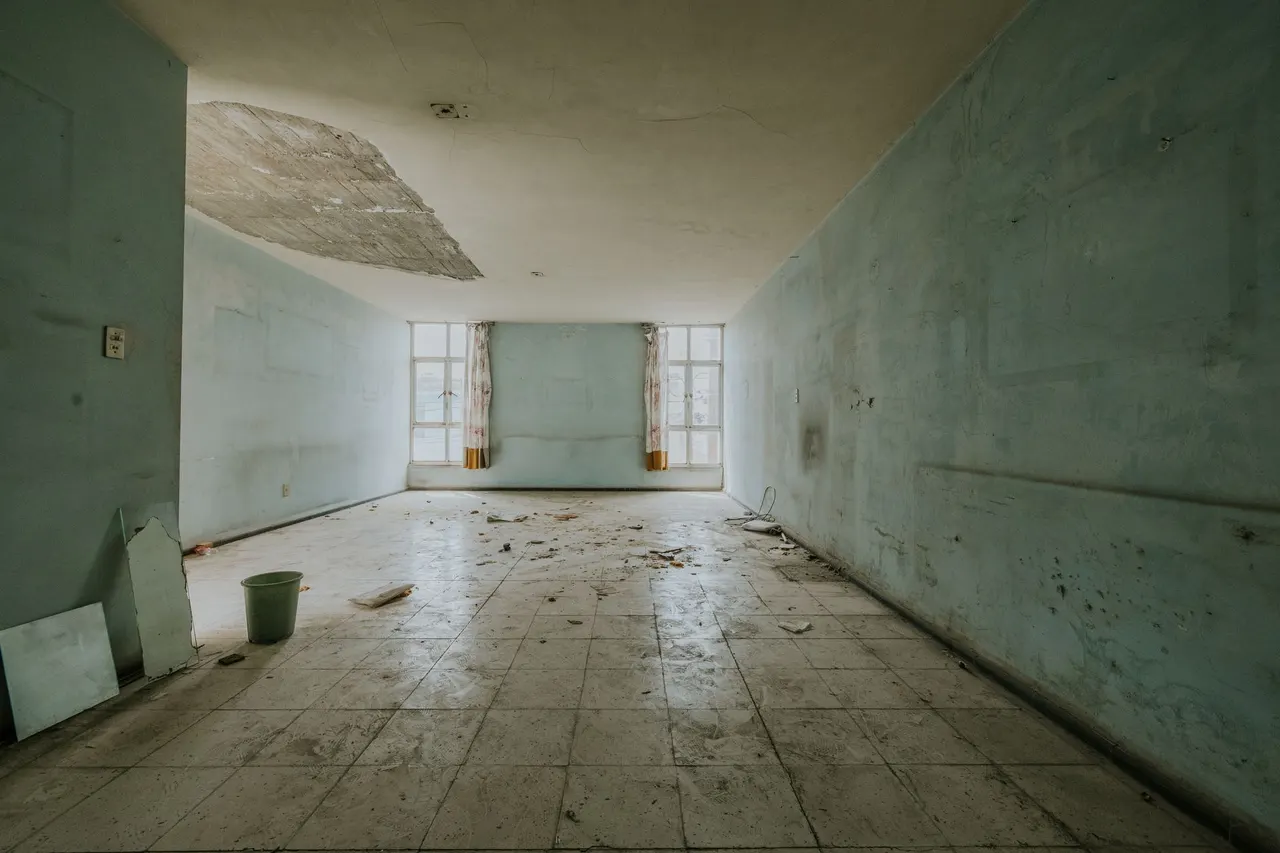
Air movers evaporate moisture from surfaces, and dehumidifiers pull it out of the air. We use Dri-Eaz and Phoenix Restoration Equipment sized to the job.

Lets us look inside wall cavities without tearing them open, so we can confirm moisture and check for mold growth after water damage.
Thermal views are illustrative, generated from the photographs.
Draws moisture out of hardwood flooring from the surface, which can save a floor that would otherwise cup and need replacement.
We follow the IICRC S500 standard for water damage restoration, which sets the drying goals and the categories of water. It is the industry benchmark and the language your adjuster understands.
Before we set equipment, we map the affected area with readings and photos. The map tells us where the water went and how much equipment the job needs, and it becomes the baseline for the drying log.
We record readings each day and adjust the equipment as the structure dries. The log shows the progress and gives you a record for your insurance claim.
We apply an antimicrobial solution to affected framing and cavities after extraction. It discourages mold growth while the structure dries, and we note it in the scope.
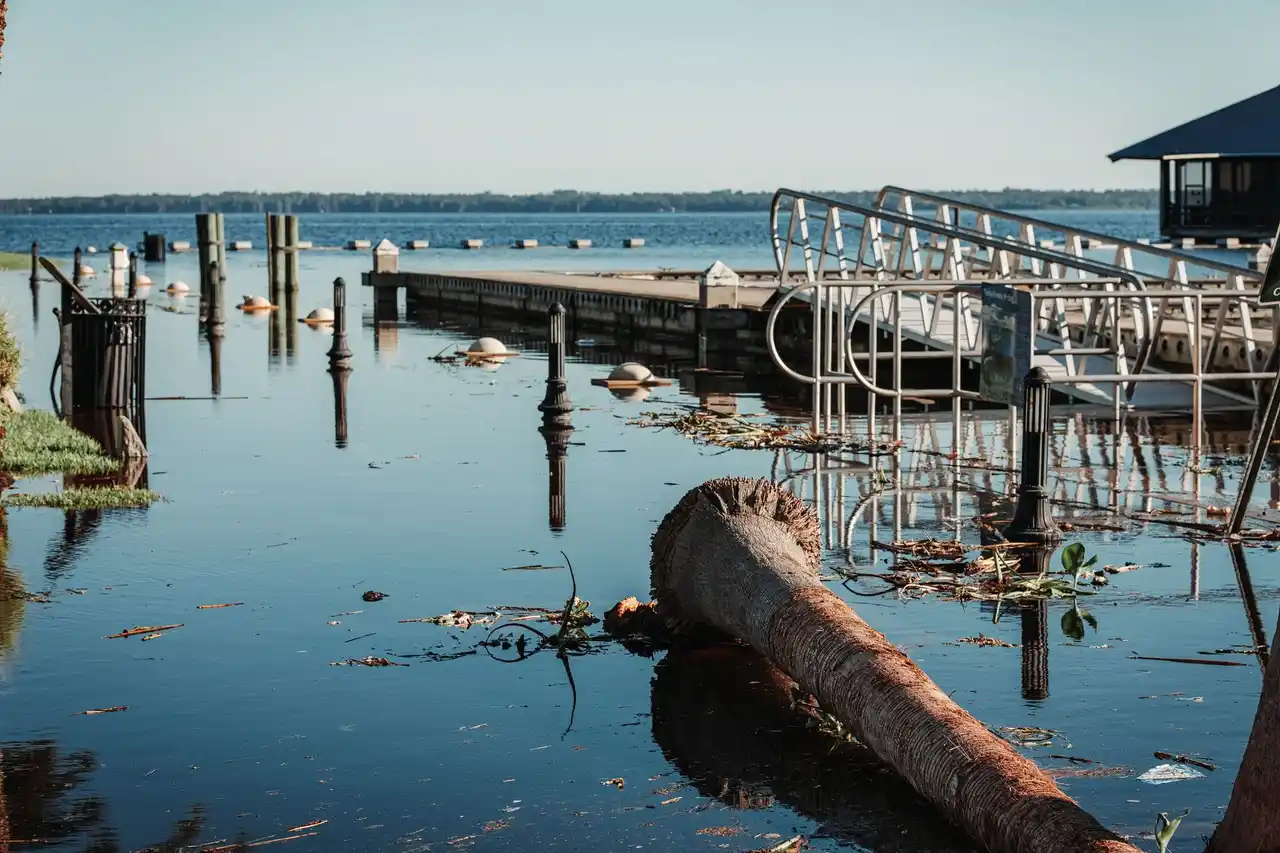
A pipe bursts in the upstairs bathroom and water runs through the ceiling into the living room below.
We shut off the water, extract from the ceiling and floor, and open the ceiling where it is saturated. Thermal imaging finds the wet framing, and we set air movers and a dehumidifier to dry the cavity.
Outcome: The ceiling framing dries in three to four days, and only the saturated drywall section is replaced.
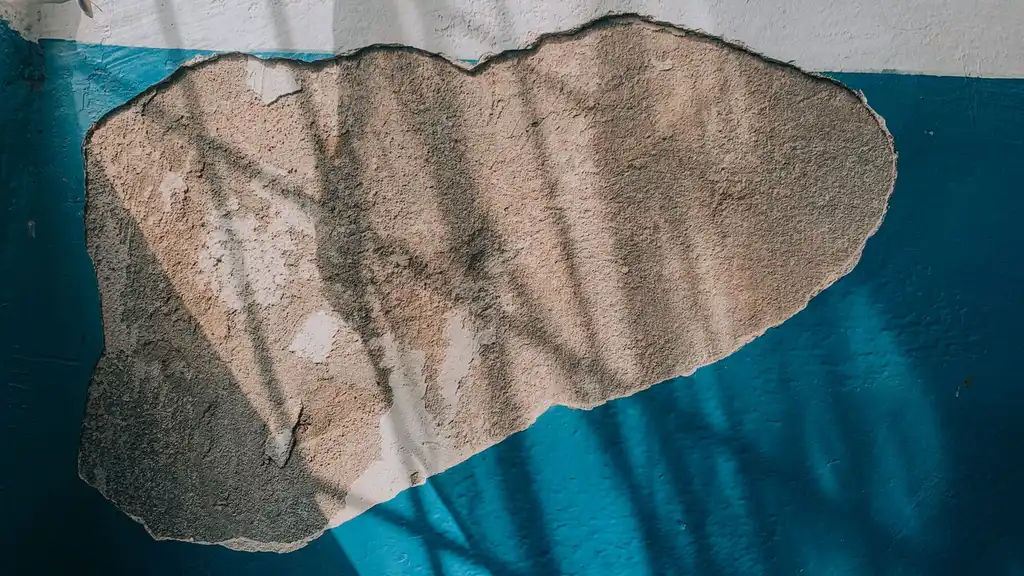
The sump pump quits during a spring storm and the finished basement takes on an inch of water.
We extract the standing water, pull the wet carpet and pad, and set drying equipment on the concrete and framing. Daily readings track the block walls, which dry slower than the floor.
Outcome: The basement is dry in four to five days, and the carpet is replaced while the drywall and framing are saved.
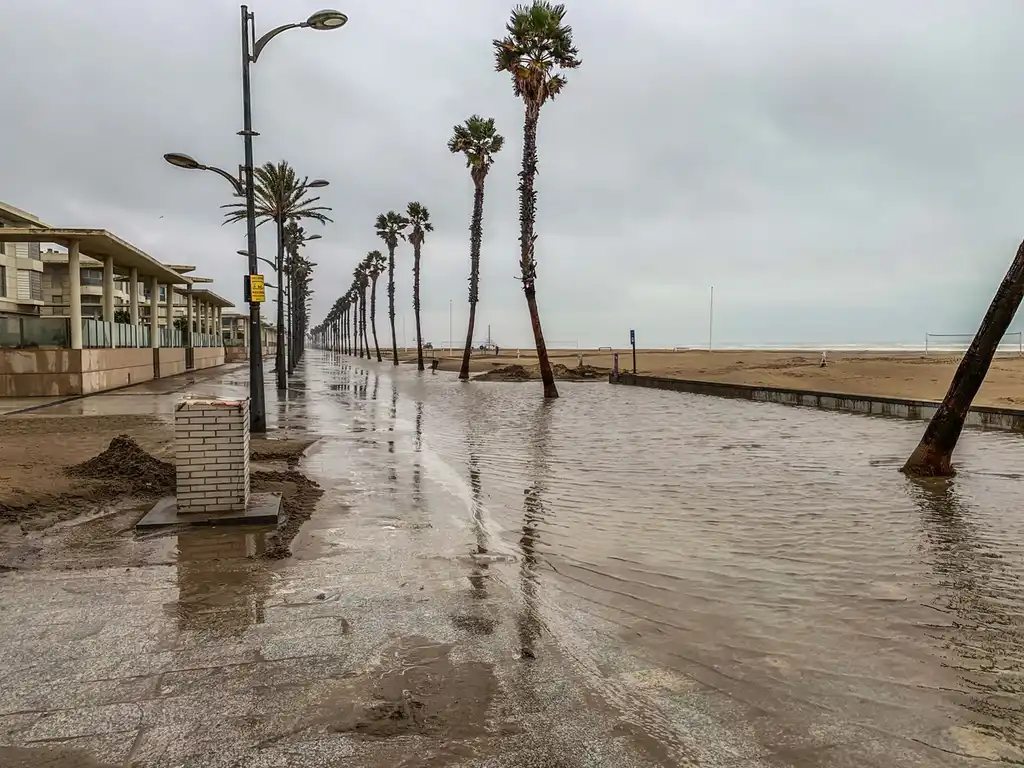
A slab leak under the kitchen floor shows up as a warm spot and a rising water bill.
We locate the leak with a thermal camera, extract the water that has pooled under the flooring, and dry the slab and any affected cabinets. We work with your plumber to get the leak fixed first.
Outcome: The slab dries to standard in three to five days, and the flooring is assessed for salvage or replacement.
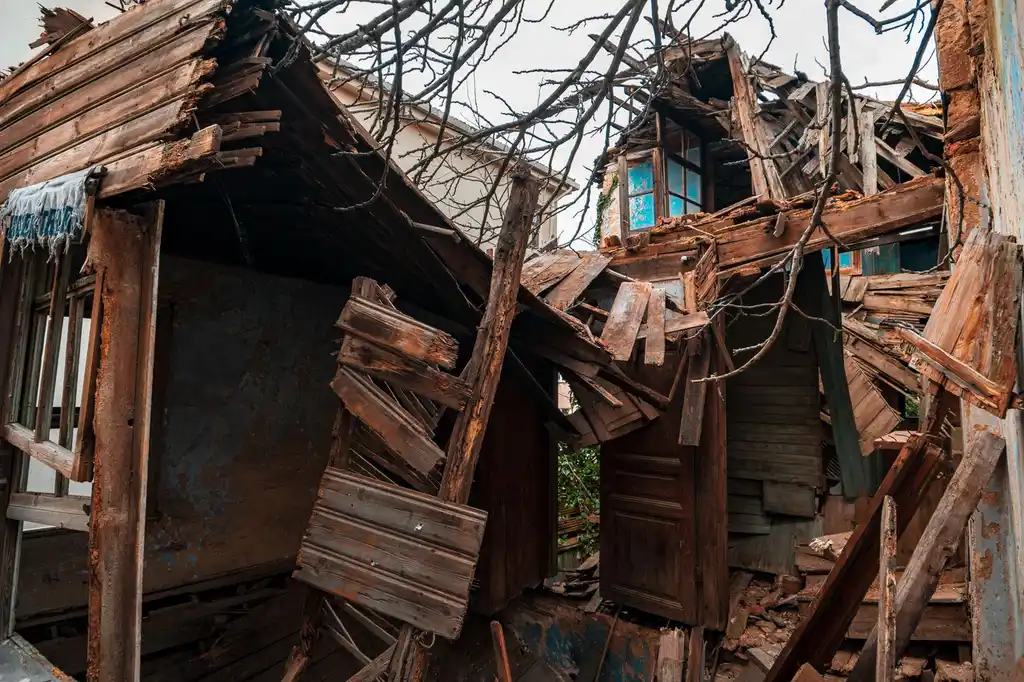
A commercial building has a supply line break overnight and the carpet in the front office is soaked.
We extract the carpet, set up drying equipment, and work around your business hours so you can stay open. The scope and readings are documented for your property manager.
Outcome: The office carpet is dry in two to three days, and the business stays open through the drying.

A toilet supply line fails in a second-floor condo and water stains the unit below.
We extract in both units, map the moisture in the shared ceiling, and coordinate with both owners. The drying log covers both spaces for the HOA and the insurance claim.
Outcome: Both units reach dry standard in four days, and the repair scope is documented for the HOA.
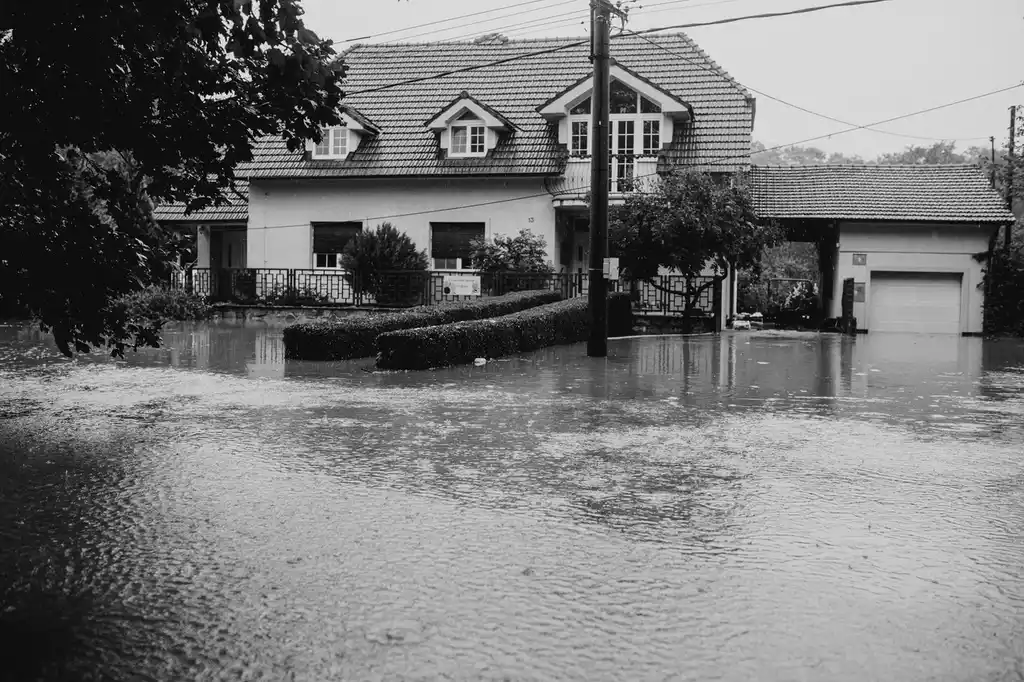
Midland sits in Midland County, and the local conditions shape how we handle water jobs. Spring snowmelt and heavy rain can overwhelm sump pumps and push water through foundation seepage, especially in older homes near Downtown Midland. Winter brings frozen pipes that burst when they thaw, often in an upstairs wall.
The housing stock ranges from older homes with block foundations to newer builds with slab-on-grade, and each dries differently. We check the forecast before we set equipment, because a humid week slows drying and we may need more dehumidification. We serve ZIP codes 48640, 48642, and 48667, and we can usually be on site the same day.
Before: A sump pump failed during a storm and an inch of water covered the carpet in a finished basement. The pad was saturated and the baseboard was wicking water up the drywall.
After: We extracted the standing water, pulled the wet pad, and dried the carpet and drywall in place. The moisture meter went from 28% to 11% in four days, and the drywall was saved. Only the pad was replaced.
We recommended a battery backup for the sump pump and a yearly test before spring. A backup pump is the cheapest insurance for a finished basement.
Before: A roof leak left a brown ring on the living room ceiling. The homeowner was told they needed the whole ceiling replaced. We found wet insulation and a small section of saturated drywall.
After: We cut out only the wet section, dried the framing with air movers, and confirmed with a moisture meter that the cavity was dry. The repair was a patch, not a full ceiling. The readings went from 24% to 10% in three days.
Fix the roof leak first, then check the ceiling after the next hard rain. A thermal camera can find a new leak before it stains.
Before: A slab leak under a kitchen floor left the concrete wet and the laminate flooring buckled. The water had been running for days before the warm spot was noticed.
After: We located the leak with a thermal camera, extracted the water, and dried the slab with air movers and a dehumidifier. The slab went from 22% to 9% in five days. The laminate was replaced, but the cabinets were saved.
Watch your water bill for unexplained spikes. A slab leak often shows up there before it shows up on the floor.
Most of the calls we take fall into a handful of categories. Each one has a different playbook, and getting the playbook right is what keeps the damage from spreading.
Fast extraction and documented drying protect your floors, walls, and claim.
Mold growth after water damage can start within 24 to 48 hours in a warm, humid house. We extract, then set drying equipment the same visit so the clock stops. On a typical basement job we bring the structure to dry standard in three to five days, with readings logged each day.
Hardwood flooring cups and subfloor swells when water sits. We pull carpet padding that is saturated, dry the carpet, and use drying mats on hardwood to draw moisture out without tearing the floor up. Catching it in the first 24 hours saves most floors; after 72 hours, replacement is often the honest answer.
We photograph affected materials, log moisture readings, and write a scope in Xactimate so your adjuster sees the same numbers we do. That record is why claims move faster. You get the drying log and photo report whether or not you ever file.
Extraction, drying, and the final moisture check come from the same team. No handoff between a pump-out guy and a drying company. We monitor daily, adjust equipment as readings change, and do not pull the gear until the structure hits dry standard.
What a written scope covers and what shapes it. Prices are set by the business after the first look.
Included
Depends on
Clear records you can keep and share.
Daily moisture readings.
Before and after photos.
Written scope in Xactimate.
What was dried and what needs repair.
The category of water decides what can be saved and what has to come out.
From a supply line or rain.
From a washing machine or sink.
Sewage or flood water.
A list like this tells people straight away whether you cover their street. Not listed? Call and ask: it only takes a minute.
Based in Midland and covering the places around it. Pick one for local details.
A small ceiling leak costs less than a flooded basement with carpet and pad. We give you a written scope before we start, and we bill the work, not the hour.
The extraction itself usually takes two to four hours for a typical room or basement. Drying the structure takes longer, usually three to five days, because we keep equipment running until the moisture meter reads dry standard. A slab or dense subfloor can take a day or two longer. We check readings daily and tell you where things stand.
Yes. Call 19892042404 and we will tell you what to shut off and how to stay safe until we arrive. Overnight calls get the same crew and the same equipment.
Yes, if it happens fast. We also apply an antimicrobial solution to affected framing and check hidden cavities with a boroscope. If mold is already growing, we handle that with IICRC AMRT-trained technicians.
Other services from the same team.
Standing water gets worse every hour. Call 19892042404 and we will tell you what to do while we head your way. Same-day response, readings you can see, and documentation for your claim.