

Readings shared each visit
After every visit you get a short written summary of what was found, what was done and what happens next. Move over the photo for an illustrative thermal view.
Water Damage Midland MI means water where it should never be: under the subfloor, inside the wall cavity, soaking carpet padding. We extract it, dry the structure, and document every reading so your insurance claim moves. Call 19892042404 and we roll a truck.
 Staining that suggests a slow leakSoft drywall near the baseboardPadding wet under the carpet

We map the wet zone with a moisture meter and thermal camera before anything gets cut. Materials that can be dried in place stay; saturated padding and drywall come out. You get readings at each visit until the structure hits dry standard.
WaterDamagepros handles Water Damage Midland MI homeowners and property managers call about most: burst supply lines, failed sump pumps, roof leaks after a hard rain, and sewage backups in the lower level. We pull standing water, dry the framing, and rebuild what the moisture ruined. Our service area covers Midland County and the surrounding townships.
What separates us is process, not slogans. Every job starts with a moisture meter and thermal imaging camera so we map the wet zone before we cut anything. We carry Dri-Eaz and Phoenix Restoration Equipment, hold IICRC WRT and ASD credentials, and work from Xactimate line items so adjusters see the same numbers we do. If you searched for affordable water damage restoration Midland, you get a written scope before work starts.
One call covers the whole job: extraction, drying, sanitizing, and the repairs that follow. We handle residential and commercial losses across Midland, from a single appliance leak to a flooded basement after a storm.
Full-scope restoration for water damage in Midland: we extract, dry, remove ruined drywall and insulation, treat with antimicrobial solution, and rebuild.
Standing water gets pulled before it wicks into baseboard and subfloor.
Floodwater carries silt, sewage, and bacteria, so cleanup is a different job than a clean supply-line leak. We remove contaminated materials, apply antimicrobial solution, and dry the cavity.
Carpet padding, hardwood flooring, and concrete slabs all hold water differently. We use a moisture meter and hygrometer to find the wet pockets, then extract with truck-mount and portable units.
Drying is science, not a fan in the hallway.
We ask about the water source, how long it has been running, and whether sewage is involved.
Request ServiceWater damage gets worse by the hour. Mold can start colonizing wet drywall in 24 to 48 hours, and a warped subfloor costs far more than a fast dry-out.
After every visit you get a short written summary of what was found, what was done and what happens next. Move over the photo for an illustrative thermal view.
We mark the wet area on the floor so you can see exactly what we are tracking and drying.
We separate what can be dried in place from what has to come out, and explain the difference.
Call or write and describe the leak. We ask what you see and tell you what to shut off.
19892042404You receive dated photos of the affected area so you have a record for your own files.
Every loss is estimated after we see the moisture map, because square footage and water category change the scope.
We inspect, take readings, and map the wet zone before writing a scope for you to review.
Request pricingHow much area is wet?
A single affected room usually means a short extraction and a small drying setup.
What kind of water is it?
A clean supply line leak often allows drying in place with limited material removal.
What got wet?
Carpet can often be dried, though saturated padding is usually removed and replaced.
You call, we ask three questions, and a crew heads your way with extraction gear. From the first moisture reading to the final walkthrough, you know what is happening and why.
You describe the leak and we tell you what to shut off before we arrive. We ask about the water source, how long it has been running, and whether sewage is involved. That determines what gear we load.
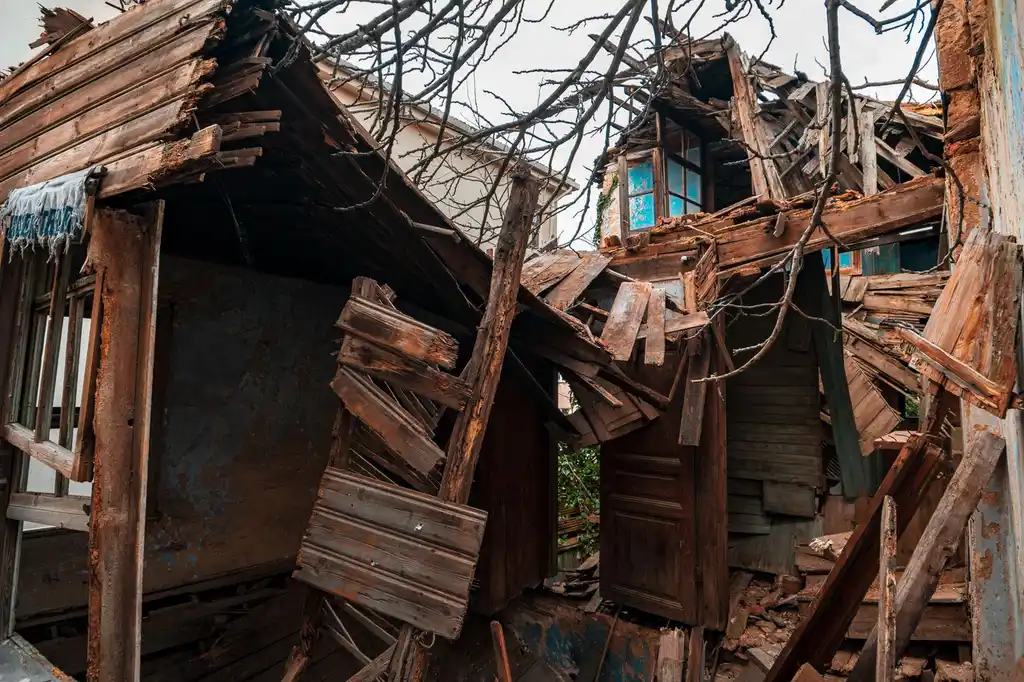
On site we use a moisture meter, thermal imaging camera, and hygrometer to map the wet zone. We check behind baseboard with a boroscope and under the subfloor where accessible. You see the readings before we cut anything.

Water extractors pull standing water, then we set dehumidifiers and air movers by calculation. We return daily to log readings and adjust the setup. Most structures hit dry standard in three to five days.
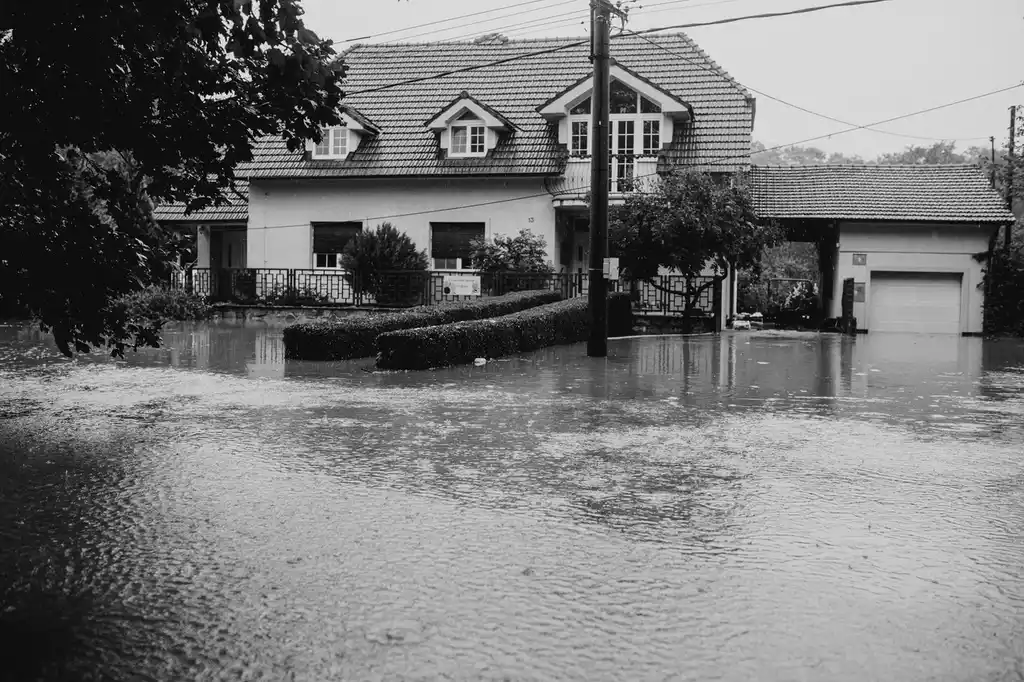
Once materials are dry, we remove damaged drywall and insulation, treat with antimicrobial solution, and rebuild. Final walkthrough includes a moisture check and a written summary for your records and your insurer.
Midland sees it all: frozen pipes in January, sump pump failure during spring melt, and roof leaks after a hard storm. Each one needs a different approach, and guessing wrong costs you a floor.
We shut the line, open the wall cavity, and extract with a wet/dry vacuum before mold can take hold. Insulation comes out, the cavity gets dried with air movers, and we replace with mold-resistant drywall.
Talk it throughStanding water gets pumped and extracted, then we check the slab with a moisture meter. Concrete sealer and a waterproof membrane go down after drying.
Water Damage RestorationCategory 3 water means contaminated materials come out, no exceptions. We remove flooring and drywall to the flood line, apply antimicrobial solution, and run air scrubbers. AMRT-trained techs handle the job, and we document everything for the claim.
Water Damage RestorationA stain means water traveled. We trace it with a thermal imaging camera, dry the attic side, and check the joists for rot. If drywall has sagged, it comes down and gets replaced.
Water Damage RestorationA pipe froze and let go on a Sunday morning. They had water extractors running within two hours and showed me the moisture readings every day. By Thursday the wall was dry and they had already patched the drywall. I did not have to chase anybody for updates.
Our sump pump quit during the spring melt and the basement had four inches of water. The crew pumped it out, pulled the ruined carpet padding, and set up dehumidifiers. They also walked me through a battery backup so it would not happen again. Fair price, no surprises.
We manage a small commercial building and had a roof leak soak two ceilings. They worked around our tenants, kept the noise down, and finished the drywall repair on a Saturday. The written scope matched the final invoice exactly.
Sewage backup in the basement is about the worst thing you can wake up to. They treated it like the health issue it is, removed everything contaminated, and ran air scrubbers for days. I appreciated that they explained each step instead of just tearing things out.
Good work overall and the drying was thorough. Scheduling took a little longer than I expected because it was a busy week, but once they were here the crew was quick and cleaned up after themselves. I would call them again.
A dishwasher supply line leaked under the cabinet and soaked the subfloor. They found the wet spot with a thermal camera that I never would have caught, dried it out, and replaced the damaged flooring. Honest about what needed to be done and what did not.
We work out of Midland and cover the whole county, from the older housing stock near Downtown Midland to the newer builds on the city's north side.

Not listed? Call and we will tell you straight away.
Check my areaThese are the questions we get most from Midland homeowners. If yours is not here, call 19892042404 and we will give you a straight answer.
Describe what you are seeing and we will point you to the right next step.
19892042404Most Midland jobs run $650 to $1,400 for a single-room dry-out and $1,800 to $4,500 for multi-room restoration. Whole-home flood recovery with sewage cleanup can reach $14,000. The final number depends on water category, square footage, and how much material has to come out. We give you a written scope before work starts.
Look for IICRC WRT and ASD credentials, documented moisture readings, and a written scope before work begins. Ask whether they work in Xactimate, because your adjuster will. We hold those certifications, log readings at every visit, and hand you the photos and numbers your claim needs. Compare two or three companies and check what they put in writing.
Shut off the water source first, then kill power to any wet outlets at the breaker. Move furniture off wet carpet and pull up what you can. Do not run a household fan into a wall cavity, because it can push moisture deeper. Call us at 19892042404 and we will tell you what to do while the crew is on the way.
Yes. Burst pipes and sump failures do not wait for business hours, so we answer emergency calls around the clock. Call 19892042404 and describe the source and how long it has been running. We load extraction gear based on what you tell us and head your way. Night calls are common in January when pipes freeze.
Check three things: certification, documentation, and scope. IICRC WRT and ASD training means the tech knows drying science, not just how to run a shop vac. Documentation means daily moisture readings and photos you can hand your insurer. Scope means a written plan that lists what gets removed, what gets dried, and what gets rebuilt. Ask for all three.
Every hour of standing water means more ruined material and a bigger repair bill. Call 19892042404 and we will tell you what to shut off, then send a crew with extraction gear.