For Your Home
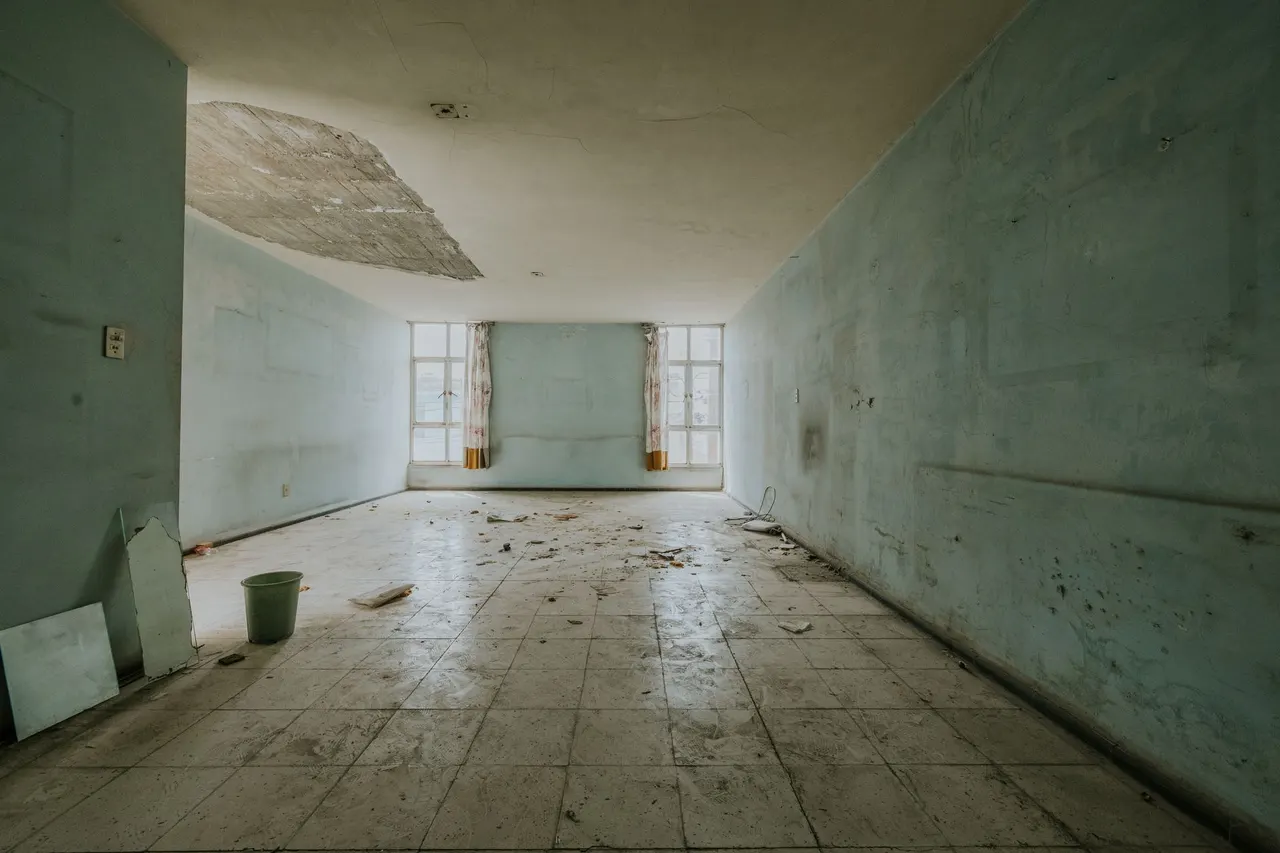
Wet drywall and soaked subfloor get worse by the hour. We dry the structure so your floors and walls survive.
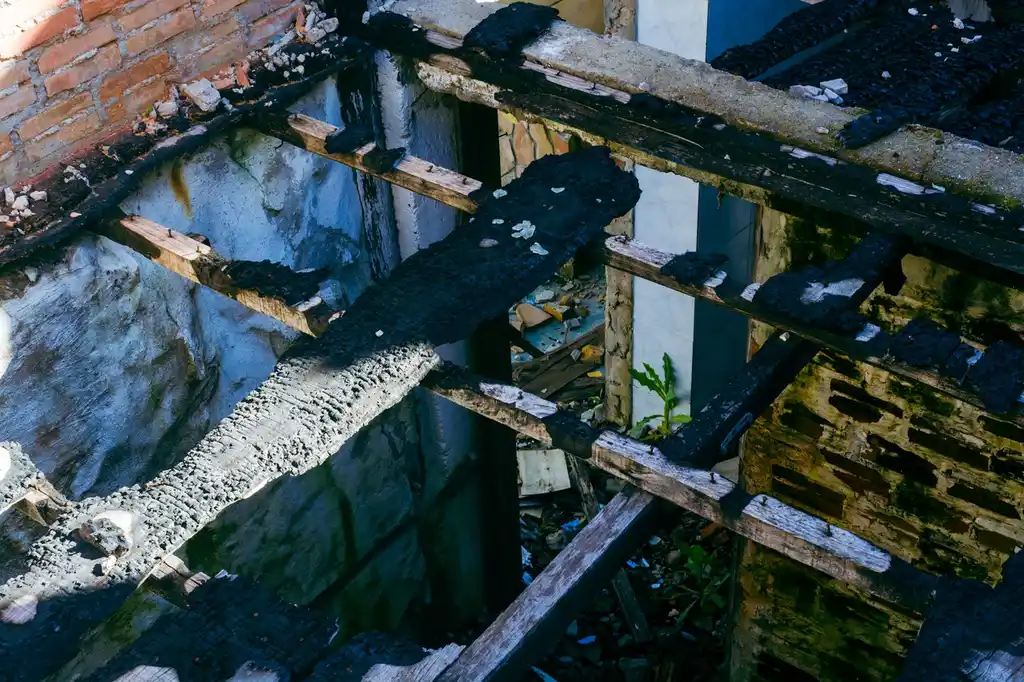
- Burst pipe in a wall
- Sump pump failure
- Roof leak into attic
When a burst pipe or sump pump failure soaks your home, Structural Drying Midland MI pulls the moisture out of the structure before mold takes hold. We handle residential and commercial structural drying Midland MI with moisture meters, air movers and dehumidifiers sized to the job. Call 19892042404 and we will tell you what it takes to dry your place out.
 Check wall cavitiesRead moisture levelsLog daily progress
Every structural drying job we run in Midland covers the full drying cycle, not just equipment drop-off. Here is what you get when you hire us, and what falls outside the drying scope so there are no surprises.

We map the affected area with a moisture meter, thermal imaging camera and hygrometer before any equipment goes down. You see exactly where the water traveled and how wet each material reads.
Standing water and saturated carpet padding come out first using a water extractor and wet/dry vacuum. Removing the bulk water is what lets the drying equipment work efficiently instead of running for extra days.
We place air movers and dehumidifiers, then return daily to read moisture levels and adjust placement. Most jobs run three to five days with readings logged each visit so you always know the progress.
Framing and affected surfaces get treated with an antimicrobial solution to stop mold growth after water damage. This is standard on every job where materials stayed wet longer than a day.
We compare final readings against a baseline from an unaffected room before pulling equipment. You get a written record of the dry-down, which your insurance adjuster can use to close the claim.
If drywall, baseboard or flooring needs replacement after drying, we coordinate that work so you are not left hunting for a contractor. One call handles the drying and the rebuild.
The approach is the same for a home and a business. What changes is the access, the schedule and who needs the paperwork.
Wet drywall and soaked subfloor get worse by the hour. We dry the structure so your floors and walls survive.
A leak over a retail space or office can shut you down. We dry the structure after hours so you can open on time.
A plain-language look at what Structural Drying involves and when it is needed.
See how it worksStructural Drying Midland MI is the controlled removal of moisture from building materials like drywall, insulation, subfloor and hardwood flooring after a leak, flood or sewage backup. It is not the same as mopping up standing water. Water soaks into the structure and keeps moving through the framing, which is why we use moisture meters, a thermal imaging camera and a hygrometer to map exactly where the wet pockets sit before we place a single air mover.
Midland homes deal with burst pipes in January, basement flooding after spring rain, and roof leaks that show up as a ceiling water stain weeks later. By the time you see that stain, the insulation and subfloor above it are already wet. Our structural drying services Midland MI stop that spread, and when you search for structural drying near me Midland Michigan, we answer with equipment on the truck and a plan for your specific house.
Drying the structure fast is what saves floors, walls and air quality.

You get a clear sequence from the first call to the final reading. Here is how a typical structural drying job runs in Midland, from the walk-through to the day we pull the equipment.
We walk the whole affected area with a moisture meter and thermal imaging camera, checking walls, ceilings and the subfloor. You see the readings on screen. This usually takes 30 to 45 minutes and tells us exactly how far the water traveled.
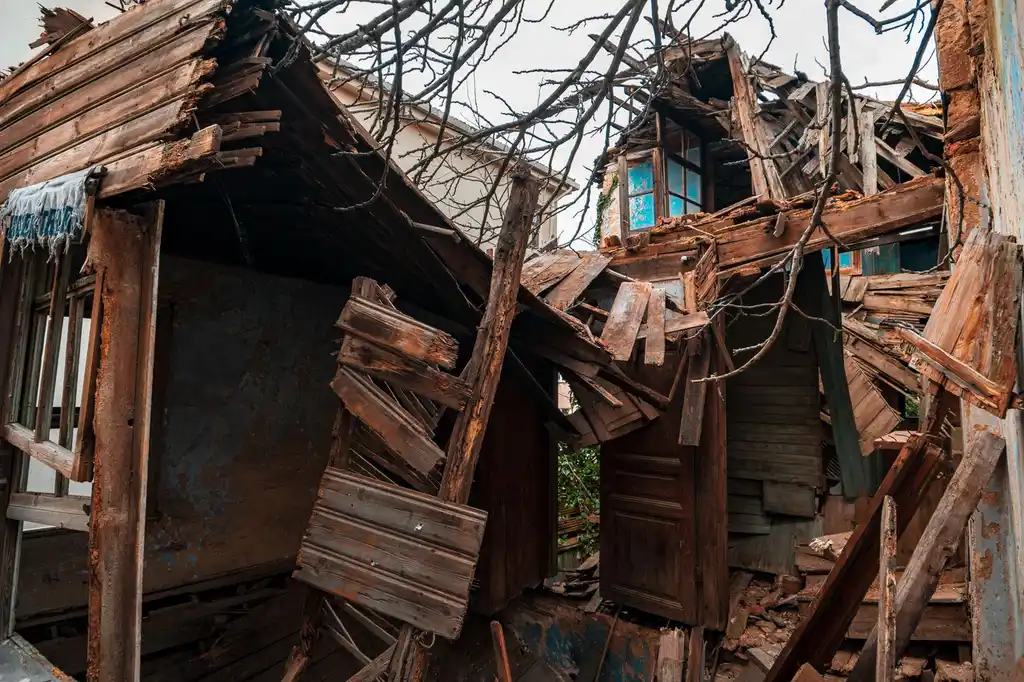
Any water still sitting in the room comes out first with a water extractor and wet/dry vacuum. Carpet padding that is soaked through gets pulled and bagged because it will not dry in place. This step runs one to three hours on most jobs.

We position air movers along the walls and a dehumidifier in the center of the affected zone, then dial in the airflow so every wet surface gets hit. A boroscope lets us check inside wall cavities before we close anything up. Setup takes about an hour.
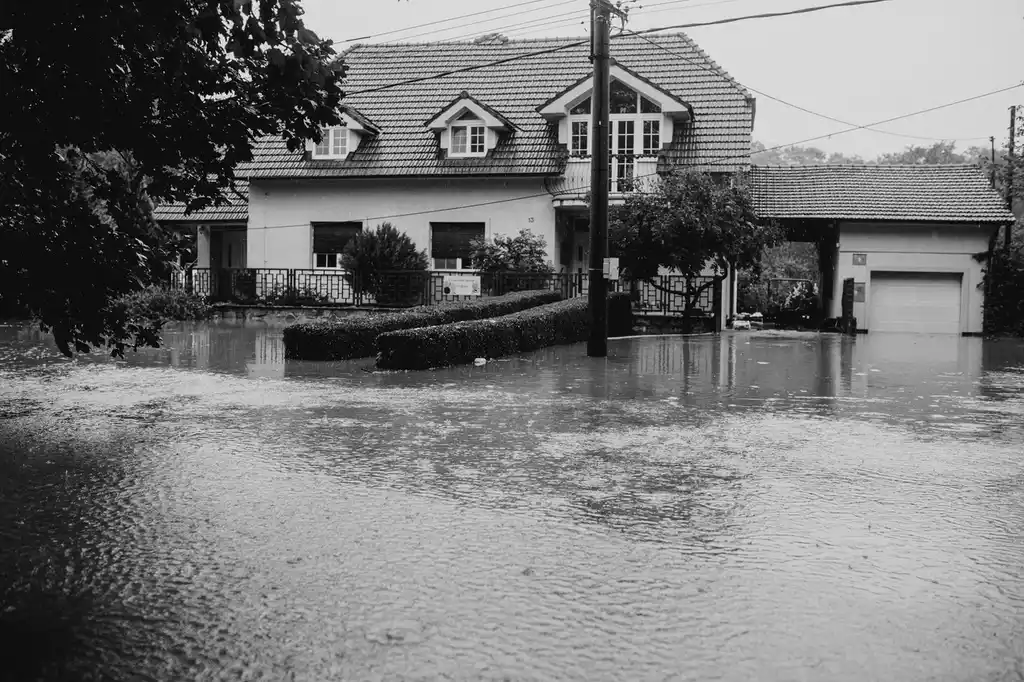
We come back each day to read the moisture meter and hygrometer, adjust equipment placement, and log the numbers. Most Midland homes dry in three to five days. You get a call or text with the readings so you always know where things stand.
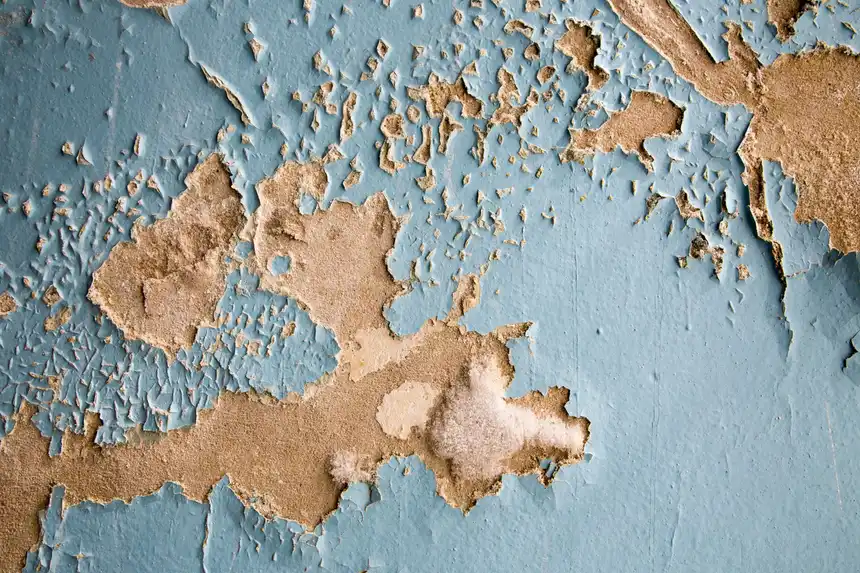
When the structure reads dry against a baseline taken from an unaffected room, we pull the equipment and do a final walk-through with you. If any material still reads high, we keep drying. We do not call a job done on a guess.
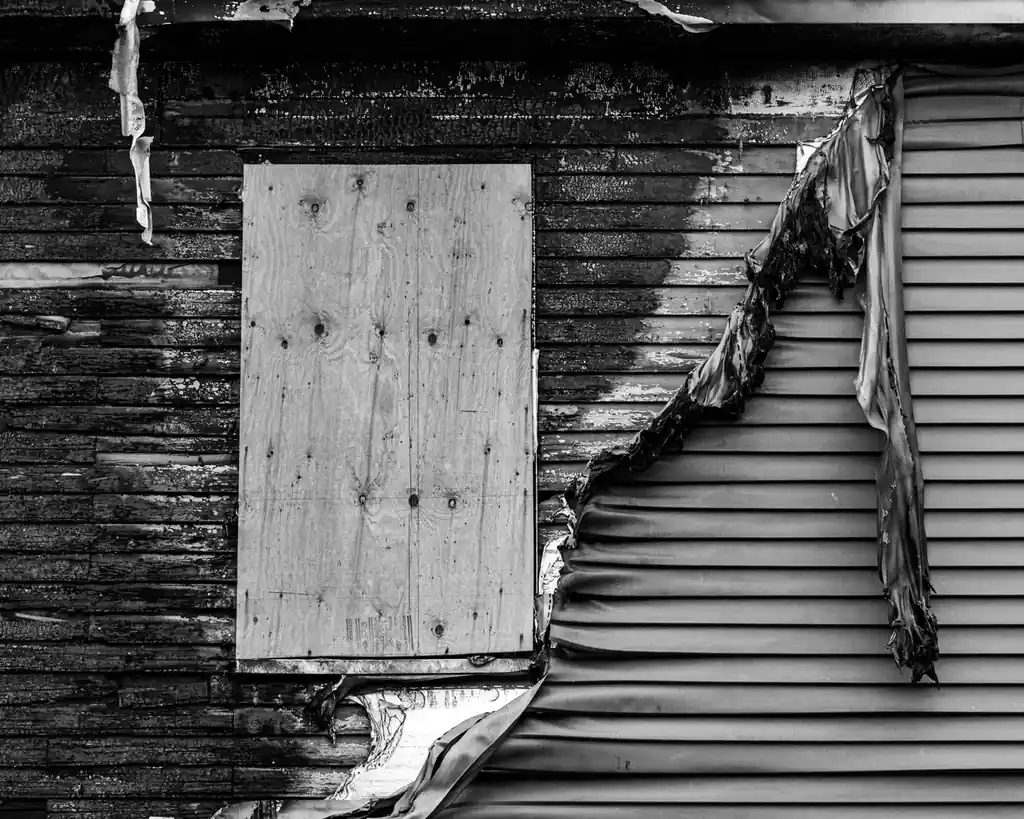
Move across a circle, or focus it and press Enter, for an illustrative thermal view of the photograph.
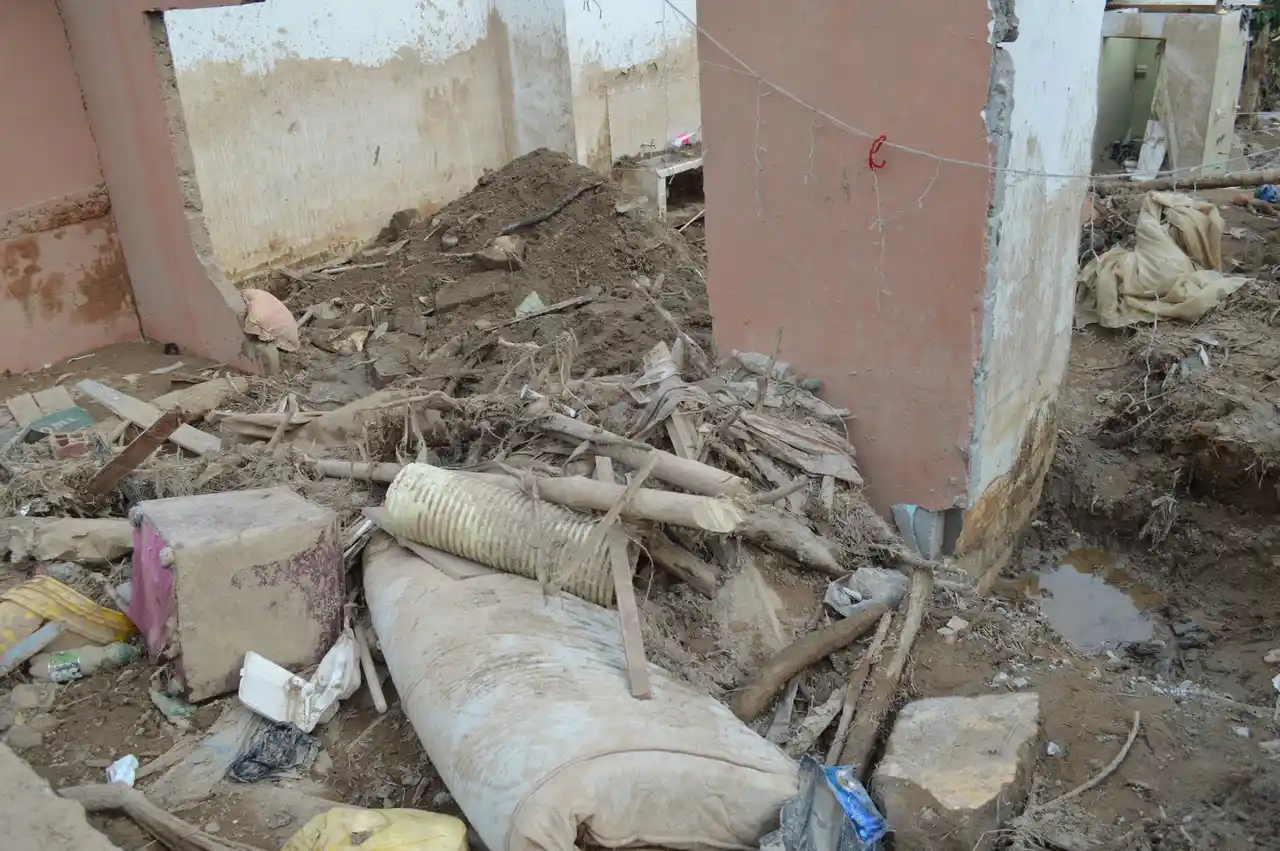
Reads the moisture content in drywall, wood and concrete so we know exactly how wet each material is and when it is dry.
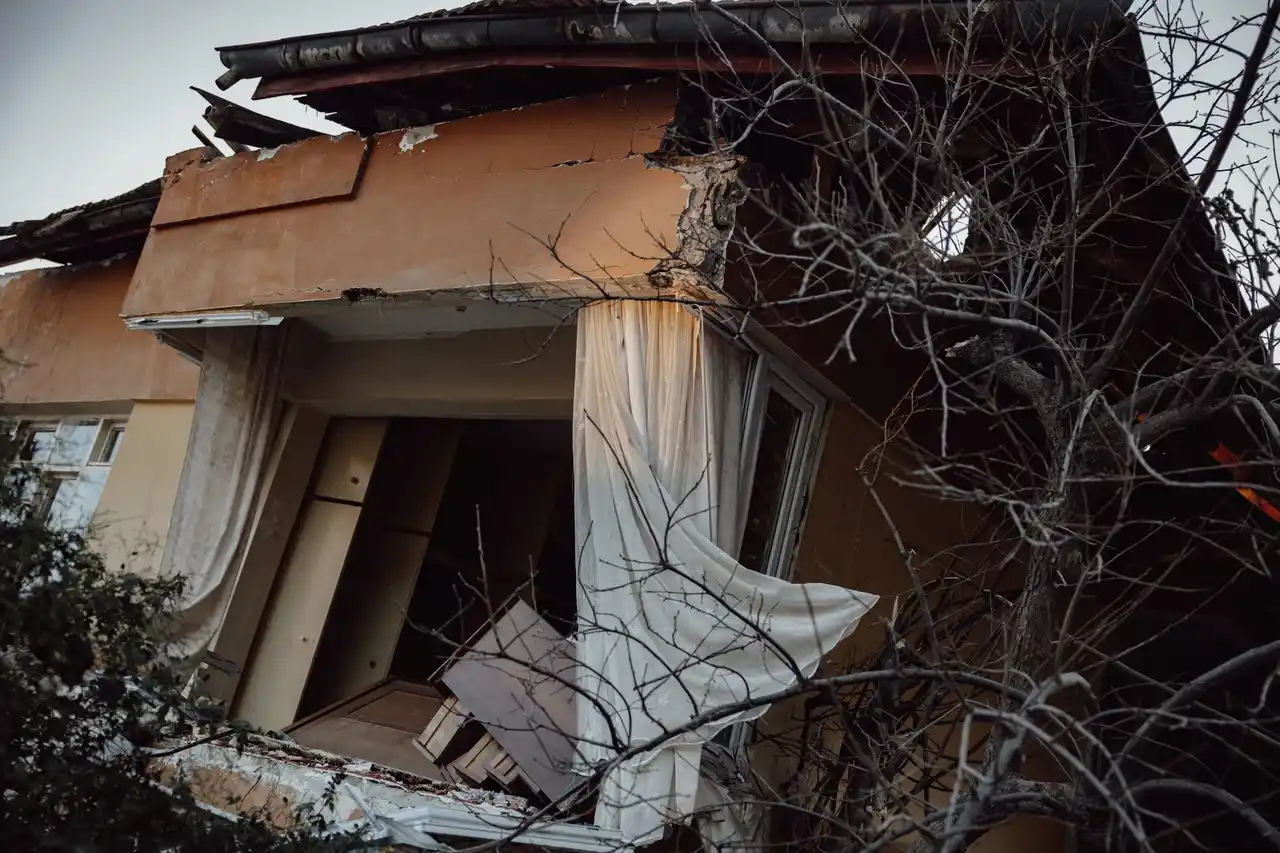
Shows temperature differences behind walls and under floors, revealing hidden water that a visual inspection would miss.

Pulls moisture out of the air so wet materials release their water faster. Sized to the cubic footage of the affected area.

Drives airflow across wet surfaces to speed evaporation. Placement is calculated, not guessed, based on room layout and material.
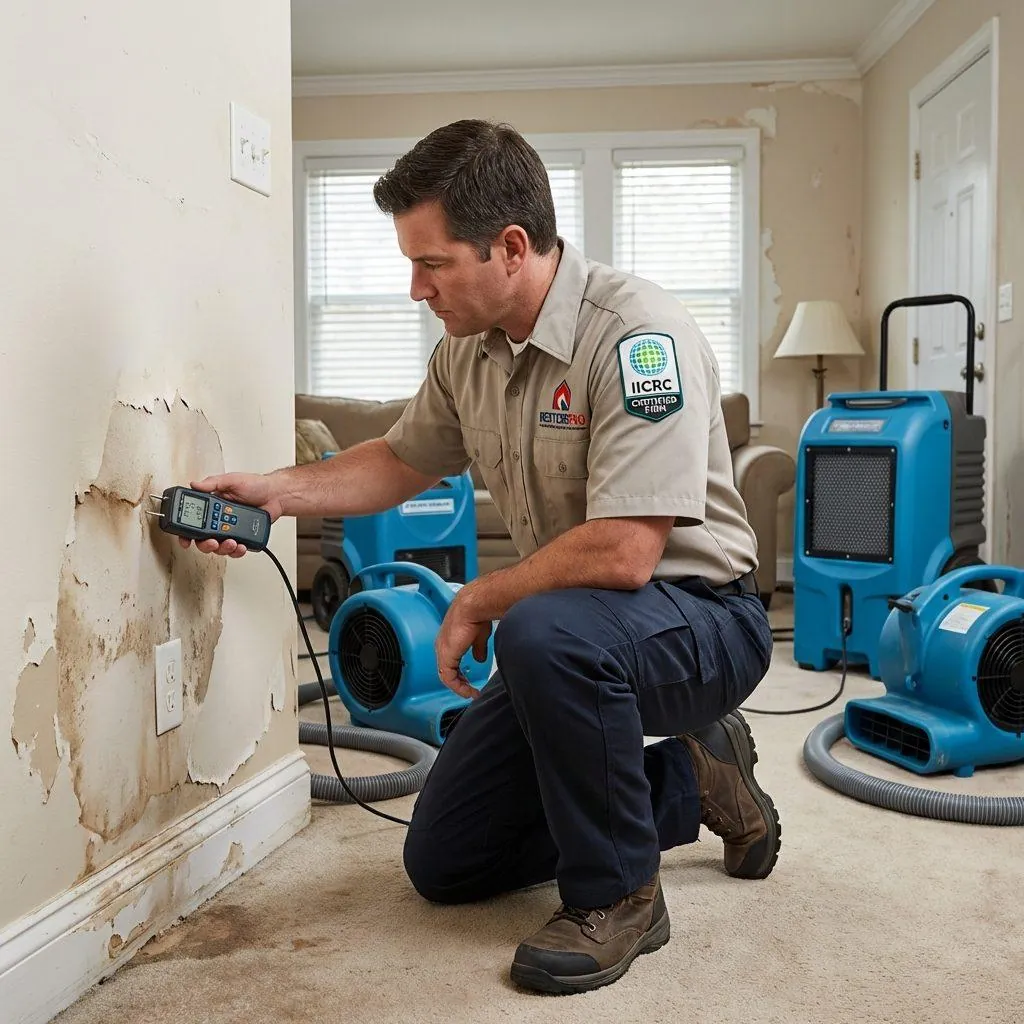
High-capacity drying equipment for larger jobs like finished basements and commercial spaces where standard units fall short.
Thermal views are illustrative, generated from the photographs.
A camera on a flexible rod that lets us look inside wall cavities and behind baseboards without tearing anything open.
Measures relative humidity in the air so we can confirm the dehumidifier is keeping up with the moisture being released.
We follow the IICRC ASD standard for equipment placement, airflow calculation and daily drying goals. This is the same framework insurers recognize, which keeps your claim moving.
We track temperature, humidity and material moisture together, then adjust equipment based on the readings. Drying is not a set-it-and-forget-it process.
On jobs with mold risk or contamination, we set containment and run filtration to keep spores and dust out of the rest of your home while the structure dries.
Framing and affected surfaces get an antimicrobial solution applied after extraction. This is standard practice on any job where materials stayed wet more than a day.

A pipe bursts in an upstairs bathroom while you are at work and water runs into the kitchen ceiling.
We extract the water, open the ceiling where needed, and set air movers and a dehumidifier to dry the joists and subfloor above. Daily readings track the dry-down.
Outcome: The ceiling and joists dry in four days instead of being torn out and replaced.
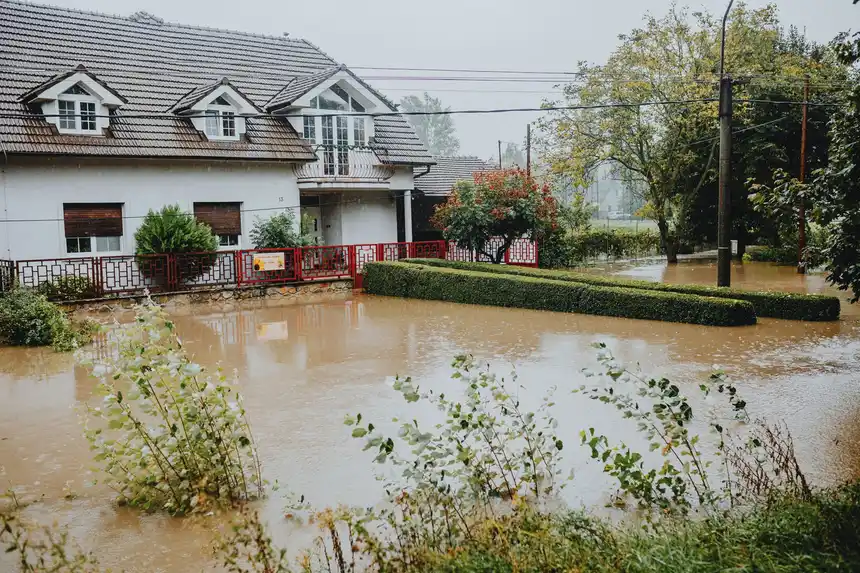
Spring rain overwhelms your sump pump and the finished basement carpet is soaked through.
We pull the wet carpet and padding, extract the water, and dry the concrete slab and baseboard with high-capacity equipment. Antimicrobial treatment goes down on the framing.
Outcome: The basement reads dry in three days and the musty smell is gone.
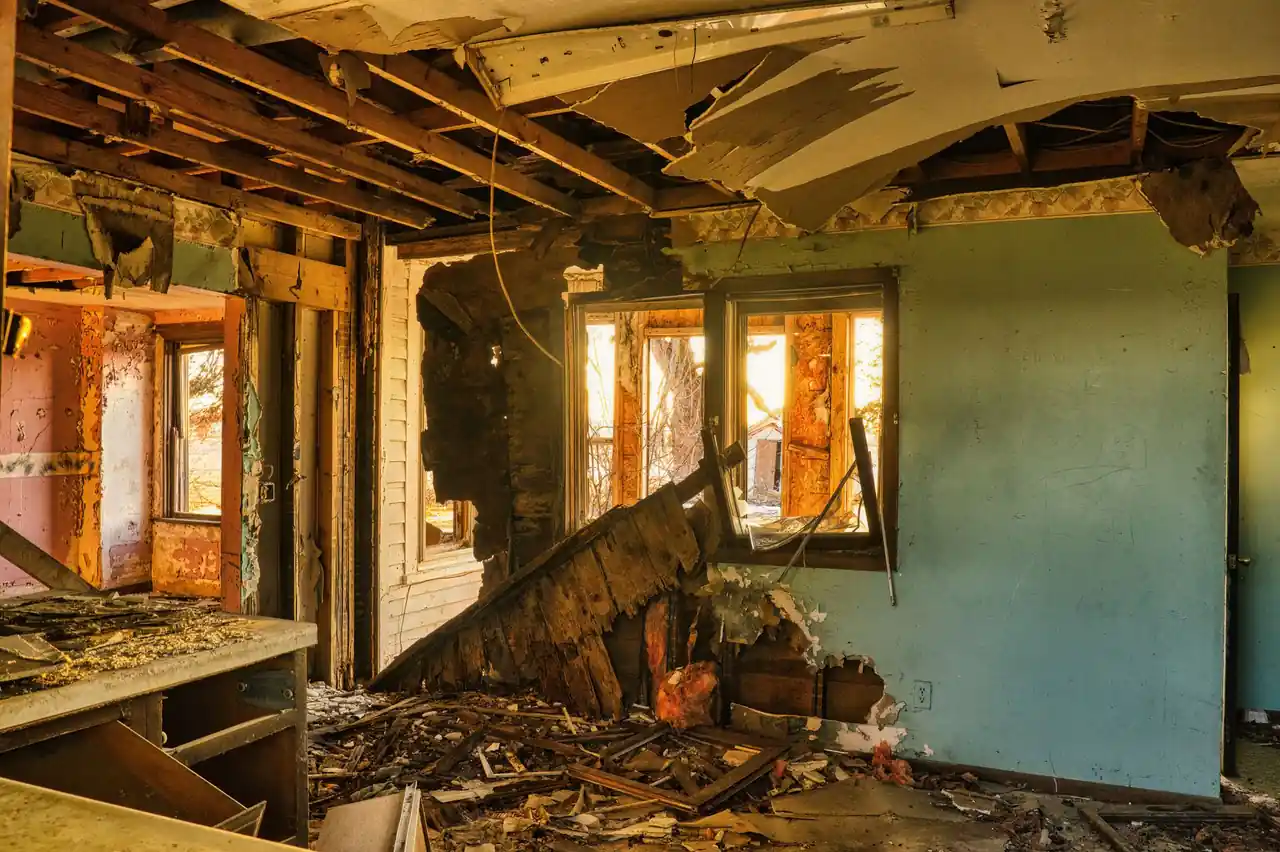
A slow appliance leak behind the fridge soaks the subfloor and you notice the floor feels soft.
We use a moisture meter and thermal imaging camera to find the wet zone, then dry the subfloor and surrounding cabinets with directed airflow and a drying mat.
Outcome: The subfloor dries without a full floor replacement and the soft spot is resolved.
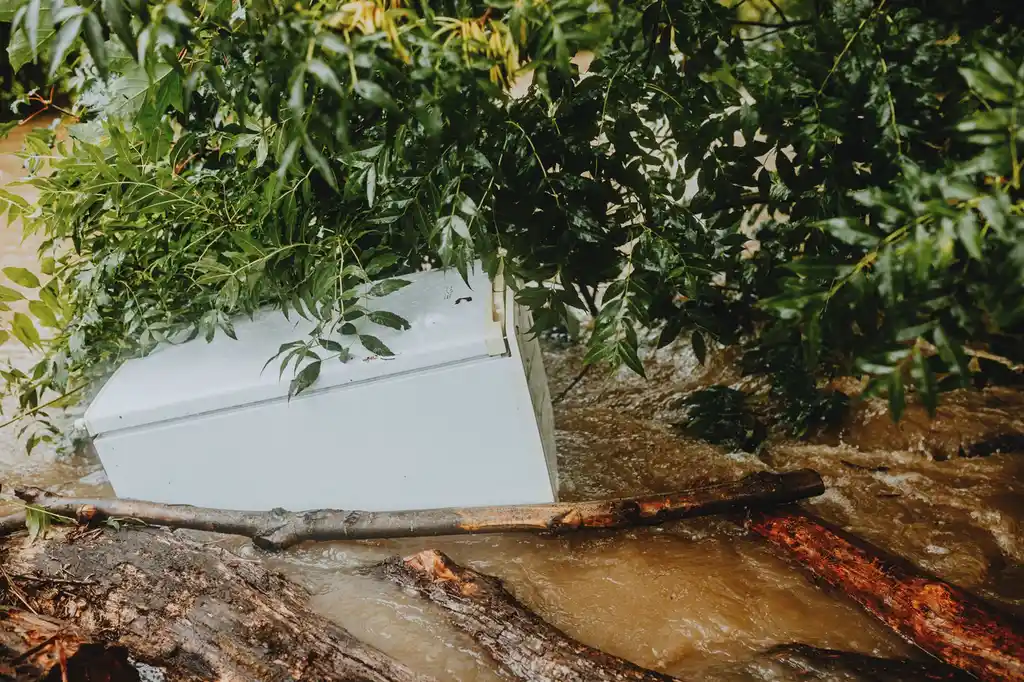
A commercial building has a roof leak that soaks ceiling tiles and insulation over a retail space.
We work after hours to extract water, remove wet tiles, and dry the ceiling structure with commercial structural drying Midland MI equipment sized for the square footage.
Outcome: The space reopens the next morning with drying equipment running quietly overhead.
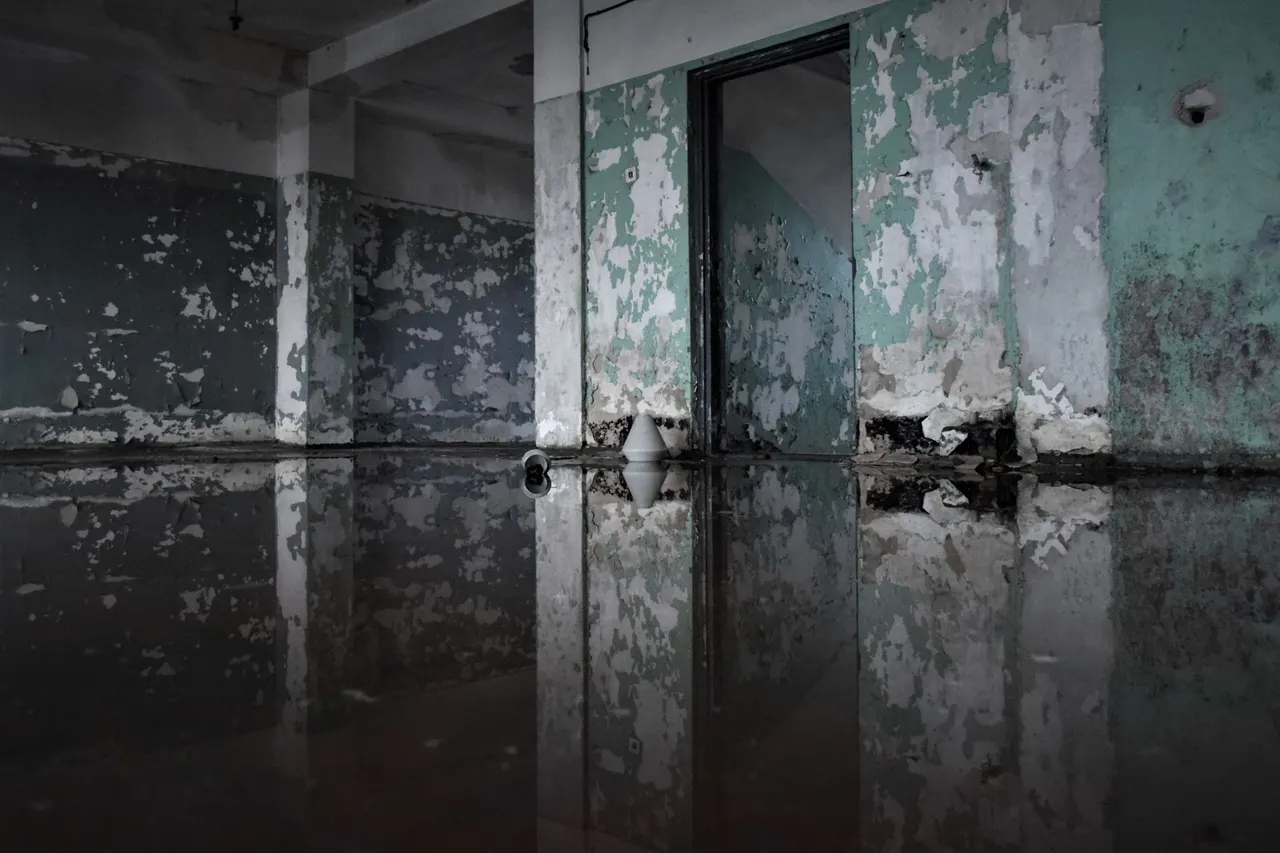
A slab leak under a bathroom floor leaves the tile and concrete damp without any visible standing water.
We locate the moisture with a thermal imaging camera, dry the slab and surrounding framing, and document readings for the plumber handling the pipe repair.
Outcome: The floor dries without demolition and the repair can proceed on a dry surface.

Midland sits in a climate that swings hard, with freezing winters that burst pipes and wet springs that push water into basements. The housing stock ranges from older homes near Downtown Midland with plaster walls and stone foundations to newer builds in Midland Central with finished basements and modern framing. Plaster releases moisture slower than drywall, so those jobs often need an extra day or two of drying.
Newer homes dry faster but have more cavities where water hides. We size equipment and set drying goals based on what your house is actually built from, not a one-size plan. If you need affordable structural drying in Midland, we give you the scope and the price before the first air mover goes down.
Before: A supply line let go overnight and water ran through the ceiling into the kitchen below. The ceiling drywall was saturated, the joists were wet, and the kitchen floor had standing water. The homeowner found it at 6 a.m. and called us by 7.
After: We extracted the standing water, opened the ceiling in two spots, and ran air movers and a dehumidifier for four days. Final readings matched the baseline in an unaffected room. The ceiling was patched and painted instead of replaced.
Keep an eye on supply lines under sinks and behind the toilet.
Before: A spring storm knocked out power for six hours and the sump pump never kicked back on. The finished basement took on two inches of water. Carpet, padding and the bottom two feet of drywall were soaked.
After: We pulled the carpet and padding, cut out the wet drywall, and dried the concrete and framing in three days. Antimicrobial treatment went on the studs. New drywall and carpet went back in the following week.
Test your sump pump every spring by pouring a bucket of water into the pit. A battery backup buys you hours when the power goes out.
Before: A roof leak around a vent pipe dripped into the attic for weeks before a ceiling stain appeared in the hallway. The insulation was soaked and the ceiling drywall was soft. Mold had started on the sheathing.
After: We removed the wet insulation, treated the mold on the sheathing, and dried the framing and ceiling structure in five days. New insulation went in and the ceiling was repaired. The roof leak was fixed by a roofer before we closed up.
Check the attic after heavy rain or snowmelt. A flashlight and five minutes can catch a leak before it reaches the ceiling.
Most structural drying calls in Midland start with one of a handful of problems. Here are the ones we see most, what happens if they are ignored, and how we handle them.
A dry structure means no mold, no tear-out, no lingering smell.
Mold can start colonizing wet drywall in 24 to 48 hours. We pull moisture out of the wall cavity with air movers and a dehumidifier, then treat framing with an antimicrobial solution. Drying fast is the cheapest mold prevention you will ever buy.
Hardwood flooring and subfloor can often be saved if drying starts within the first day or two. We use a drying mat system and controlled airflow to pull water out of the boards instead of ripping them up. That keeps your floor and your budget intact.
We log moisture readings room by room and photograph everything before, during and after. That record gives your adjuster the numbers they need, and it is why so many Midland claims move through without a fight over what was wet.
Wet carpet padding and damp insulation throw off a musty smell that lingers long after the floor feels dry. We remove the soaked padding, dry the structure underneath, and run filtration until the air in your home smells like nothing happened.
What a written scope covers and what shapes it. Prices are set by the business after the first look.
Included
Depends on
Clear records you can keep and share.
Daily readings room by room.
Before, during and after images.
Final readings against baseline.
What ran and for how long.
The category of water determines how we dry and what materials can be saved.
From a supply line or rain
From appliances or sinks
From sewage or flooding
A list like this tells people straight away whether you cover their street. Not listed? Call and ask: it only takes a minute.
Based in Midland and covering the places around it. Pick one for local details.
A single wet room with carpet and pad sits at the low end. A finished basement with wet drywall and insulation pushes toward the top. We give you the number before we start, and we document everything for your insurance claim.
Three to five days is typical for a Midland home, with the equipment running the whole time. Hardwood flooring and dense materials like concrete can take six or seven days. We check moisture readings daily and pull the equipment the day the structure reads dry against a baseline from an unaffected room, not on a fixed schedule.
Yes. A burst pipe or sump pump failure at 3 a.m. gets the same response as a weekday afternoon call. We start extraction and get air moving first, then build the full drying plan.
Yes, drying the structure within the first 24 to 48 hours is the most reliable way to prevent mold growth after water damage Midland MI. Mold needs moisture to colonize, so when we pull the moisture out of drywall and framing fast, there is nothing for it to feed on. If mold has already started, our AMRT-trained technicians handle that too.
Other services from the same team.
Wet drywall and soaked subfloor get worse by the hour. Call WaterDamagepros at 19892042404 and we will get a technician moving on your structural drying job. We show you the readings, explain the plan, and get the equipment running.