For Homes
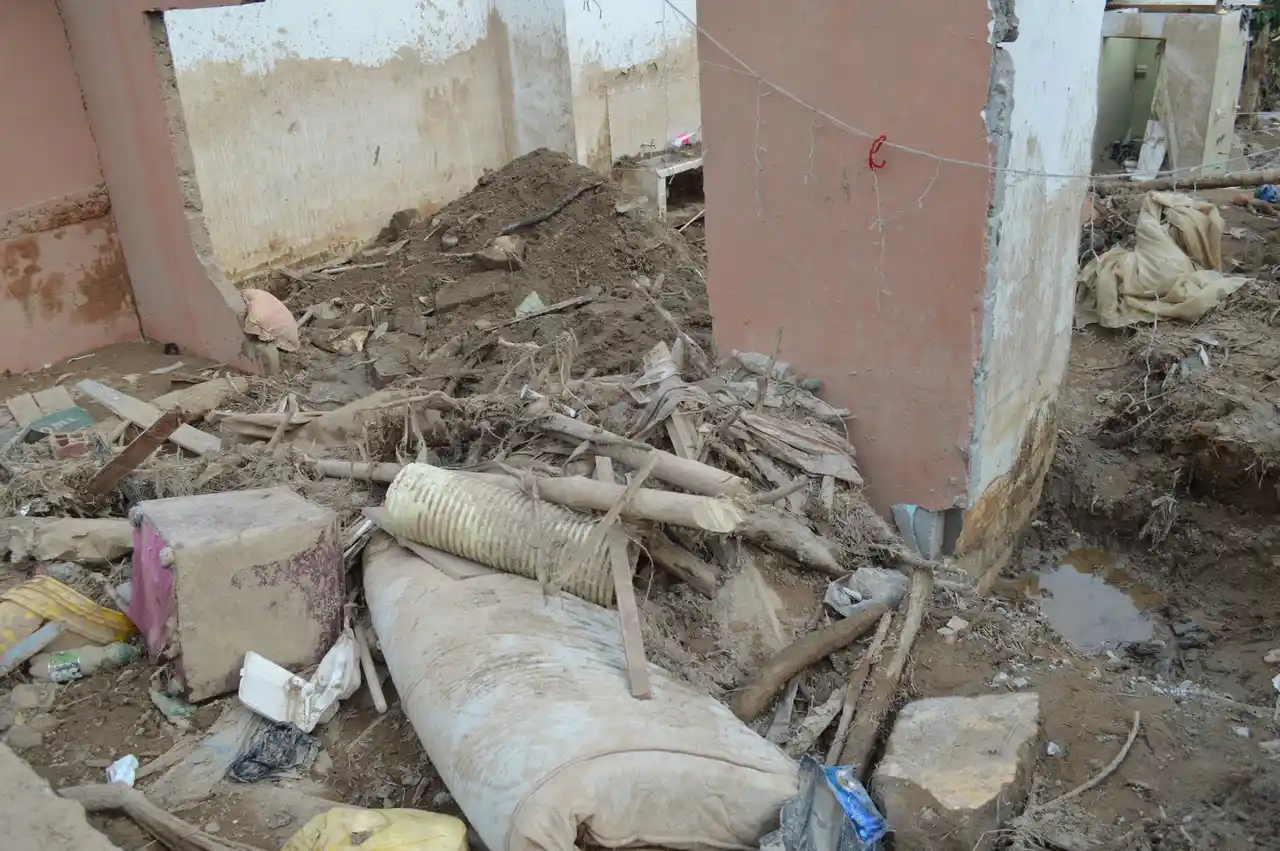
We handle burst pipes, appliance leaks, and basement flooding in Midland homes. You get a clear plan and daily updates.
- Burst pipe under sink
- Sump pump failure
- Water heater leak
Water Damage Restoration in Midland means stopping the water, extracting it, and drying your structure before mold takes hold. WaterDamagepros handles burst pipes, basement flooding, and sewage backups across Midland County with IICRC-trained technicians, thermal imaging, and daily moisture readings. We bill your insurance directly and document every step.
 Moisture mappingThermal imagingDaily readings
Every water damage restoration job starts with inspection and ends with a dry, documented structure. Here is what is included in a standard scope, and what may be added depending on the loss.
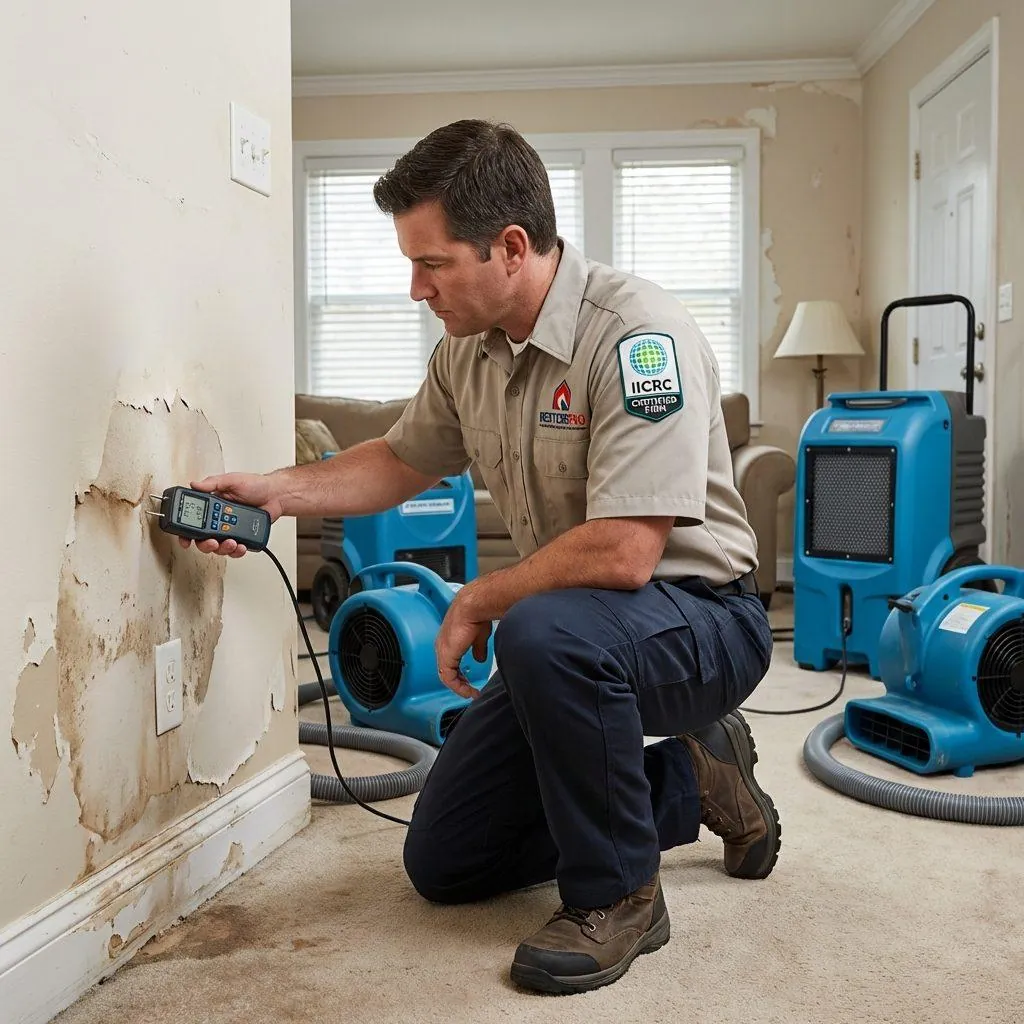
We remove standing water from carpet, padding, hardwood, and concrete using truck-mounted extractors and wet/dry vacuums. For contaminated water, we remove affected materials and treat surfaces with antimicrobial solution before drying.
We use moisture meters, thermal imaging cameras, and hygrometers to map every wet zone. You get photos and daily readings in writing, which supports your insurance claim and protects you if questions come up later.
We place Dri-Eaz and Phoenix Restoration Equipment dehumidifiers and air movers based on room size and layout. Drying mats go under hardwood, and we may inject air into wall cavities to reach hidden moisture.
We check moisture content, temperature, and relative humidity every day. If readings are not dropping fast enough, we add equipment or adjust placement. We do not pull equipment until your structure hits dry standard.
After extraction and before drying, we apply antimicrobial solution to affected framing, subfloor, and wall cavities. This slows mold growth while the structure dries, which matters in Midland's humid spring and summer months.
Once drying is complete, we walk the property with you, remove equipment, and provide a full drying log and photo report. If reconstruction is needed, we can schedule that before we leave.
The approach is the same for a home and a business. What changes is the access, the schedule and who needs the paperwork.
We handle burst pipes, appliance leaks, and basement flooding in Midland homes. You get a clear plan and daily updates.
We work with property managers and business owners to minimize downtime. We document everything for your insurance claim.
A plain-language look at what Water Damage Restoration involves and when it is needed.
See how it worksWater Damage Restoration in Midland is the process of extracting standing water, drying wet materials, and returning your property to pre-loss condition. It starts with a moisture meter and thermal imaging camera to map exactly where water traveled, because water wicks into drywall, insulation, and subfloor faster than most people expect. From there we extract, set drying equipment, and monitor daily until readings match a dry standard.
Midland homes face specific risks: freeze-thaw cycles crack supply lines, older cast iron drains back up, and sump pump failure during spring storms floods basements fast. When you search for water damage repair near me in Midland Michigan, you need a crew that knows local building stock. We handle everything from a slab leak in a ranch home to a roof leak in a two-story, and we document moisture readings so your adjuster has what they need.
Water damage gets worse every hour. Fast extraction and drying prevent mold and save materials.
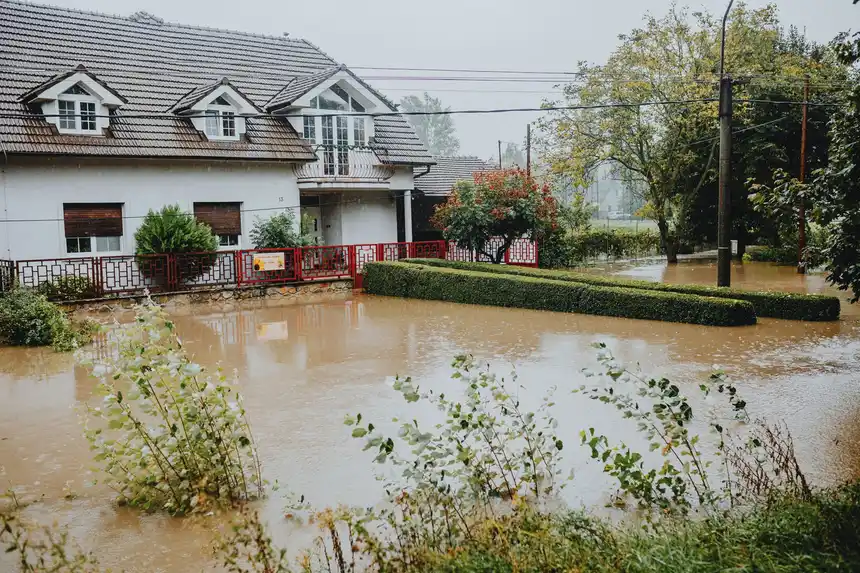
From the first call to final walkthrough, here is exactly what happens when you hire WaterDamagepros for water damage repair in Midland MI.
You call, we ask what happened and where the water is coming from. We give you shut-off instructions if the source is still active, then dispatch the nearest crew. You get a text with the technician name and estimated arrival time.
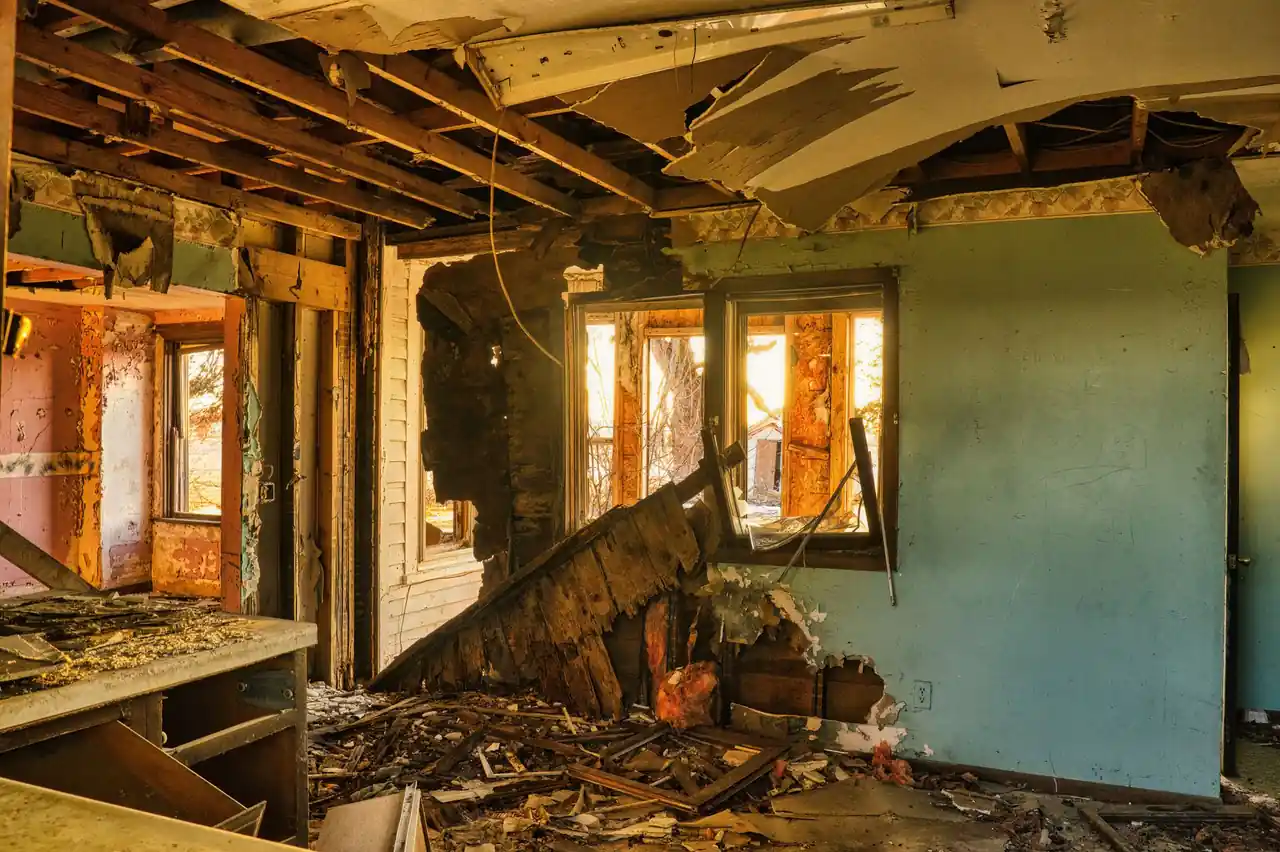
We walk the property with a moisture meter, thermal imaging camera, and hygrometer to find every wet zone. We check behind baseboards, under hardwood, and inside wall cavities with a boroscope. You see the readings and photos before we start work.
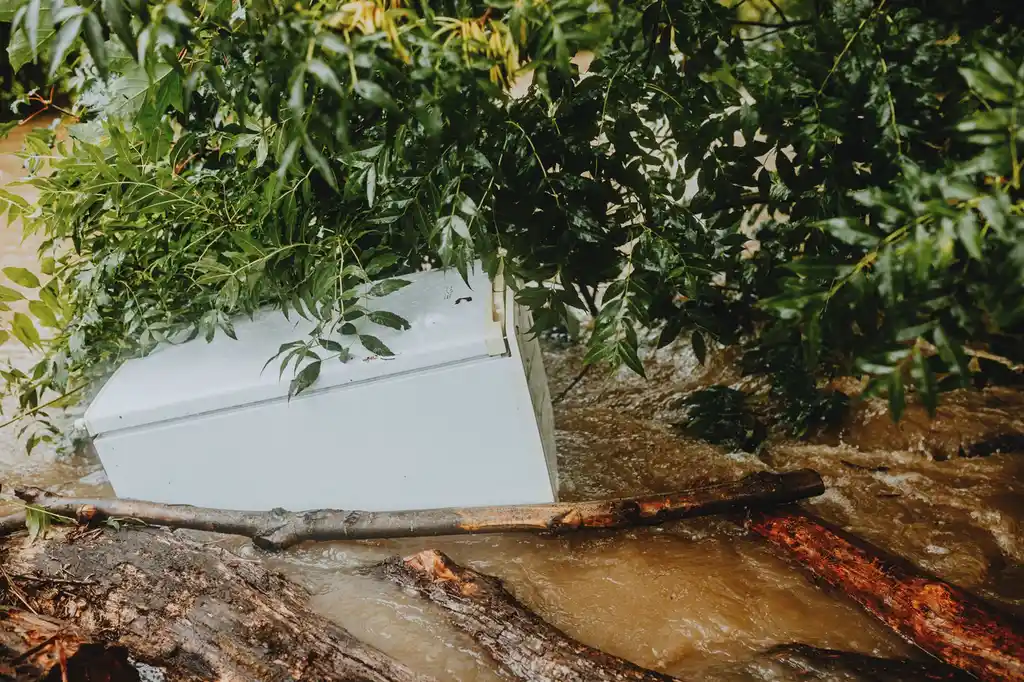
Truck-mounted water extractors and wet/dry vacuums pull standing water from carpet, padding, and hard surfaces. For sewage backup or Category 3 water, we remove affected carpet padding and treat the subfloor with antimicrobial solution before drying begins.
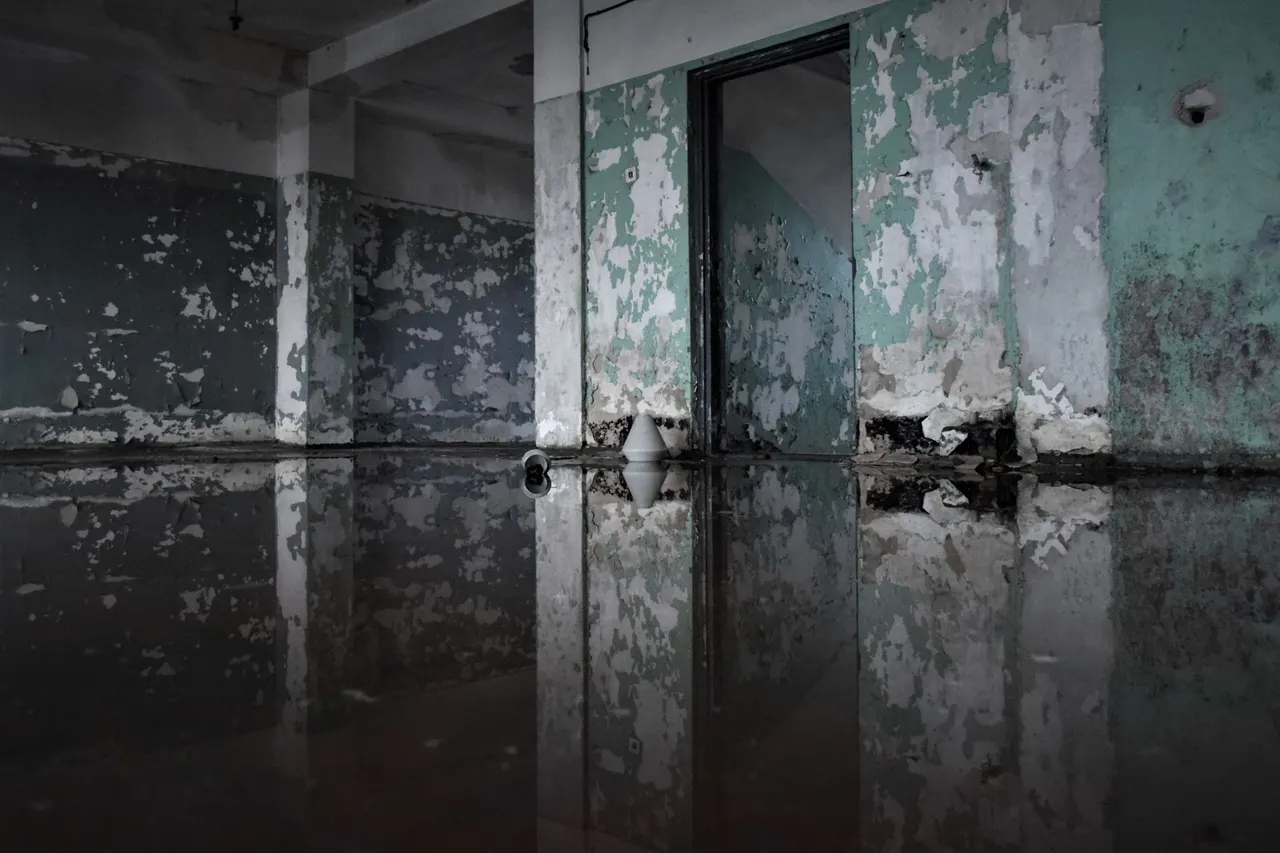
We set Dri-Eaz and Phoenix Restoration Equipment dehumidifiers and air movers based on the size and layout of each room. Drying mats go under hardwood, and we may inject air into wall cavities. Equipment runs 3 to 5 days on average, and we check readings daily.
Once moisture readings match dry standard, we remove equipment and do a final walkthrough with you. You get a complete drying log, photo report, and any repair recommendations. If reconstruction is needed, we can schedule that before we leave.
Move across a circle, or focus it and press Enter, for an illustrative thermal view of the photograph.
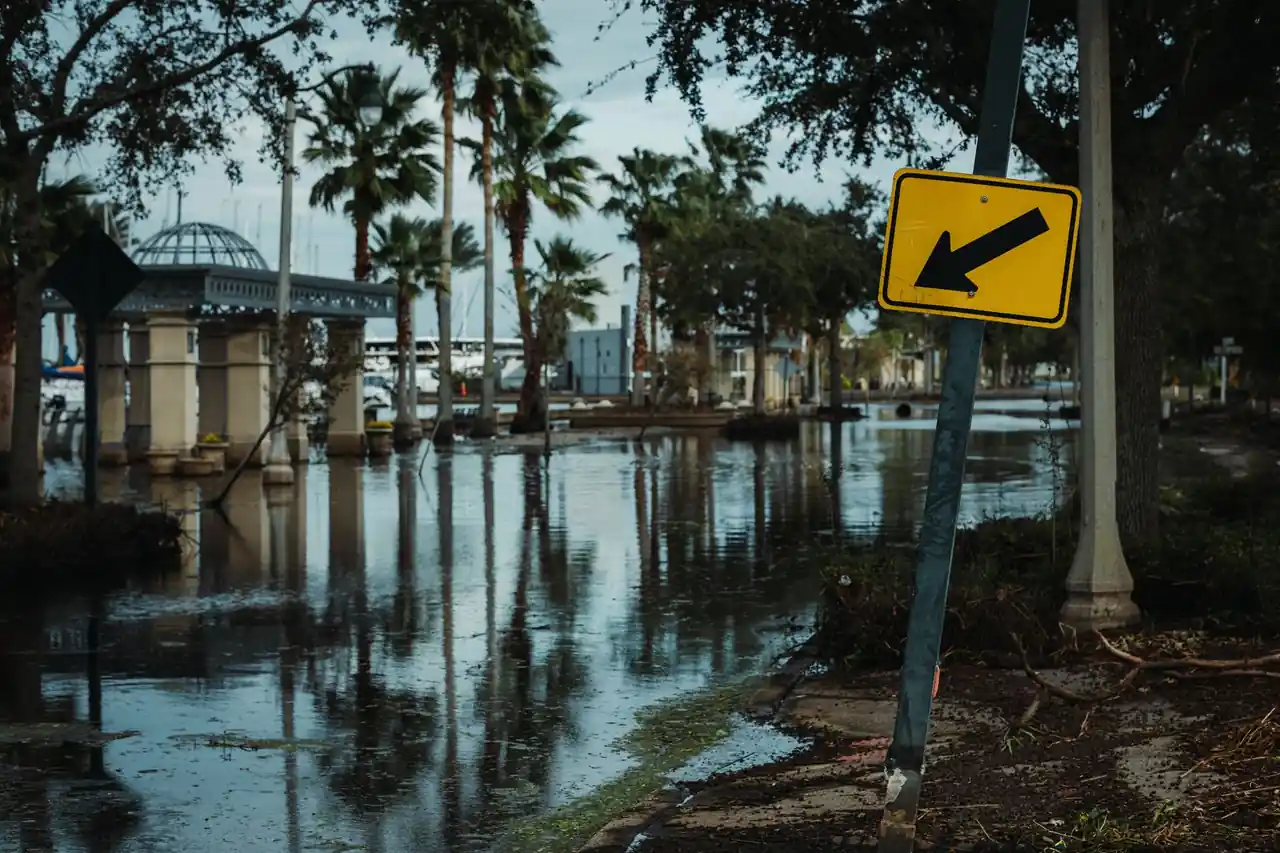
Measures moisture content in drywall, wood, and concrete to find hidden water and track drying progress.
Detects temperature differences behind walls and under floors to locate water that is not visible.
Removes moisture from the air to speed drying and prevent secondary damage like mold growth.
Circulates air across wet surfaces to accelerate evaporation from floors, walls, and ceilings.
Pulls large volumes of standing water from carpet, padding, and hard surfaces quickly.
Thermal views are illustrative, generated from the photographs.
Inspects inside wall cavities and ceiling spaces without cutting large openings.
Measures relative humidity to confirm drying equipment is working and the structure is drying evenly.
The S500 standard defines how to classify water damage, determine drying goals, and document the process. We follow it on every job so your drying is verifiable and your insurance claim is supported.
We map every wet zone with a moisture meter and thermal imaging camera before we start. This ensures we do not miss hidden moisture behind baseboards, under hardwood, or inside wall cavities.
We record moisture content, temperature, and relative humidity every day. If readings are not dropping, we adjust equipment. You get a copy of every log.
We apply antimicrobial solution to affected framing, subfloor, and wall cavities after extraction. This slows mold growth while the structure dries, which is critical in Midland's humid months.
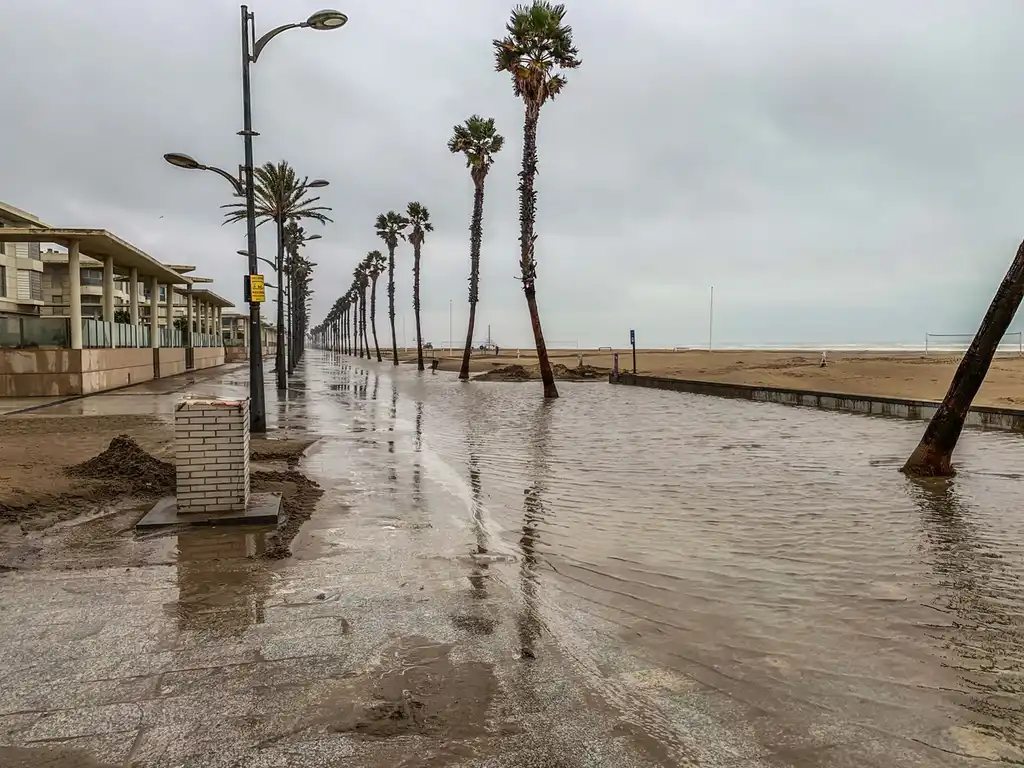
A pipe bursts under your kitchen sink at 2 a.m. and water is spreading across the floor.
We dispatch a crew immediately, shut off the water if you have not already, and extract standing water. We set drying equipment and monitor daily until your kitchen floor and cabinets are dry.
Outcome: You avoid mold growth and cabinet replacement. Drying typically takes three to four days.
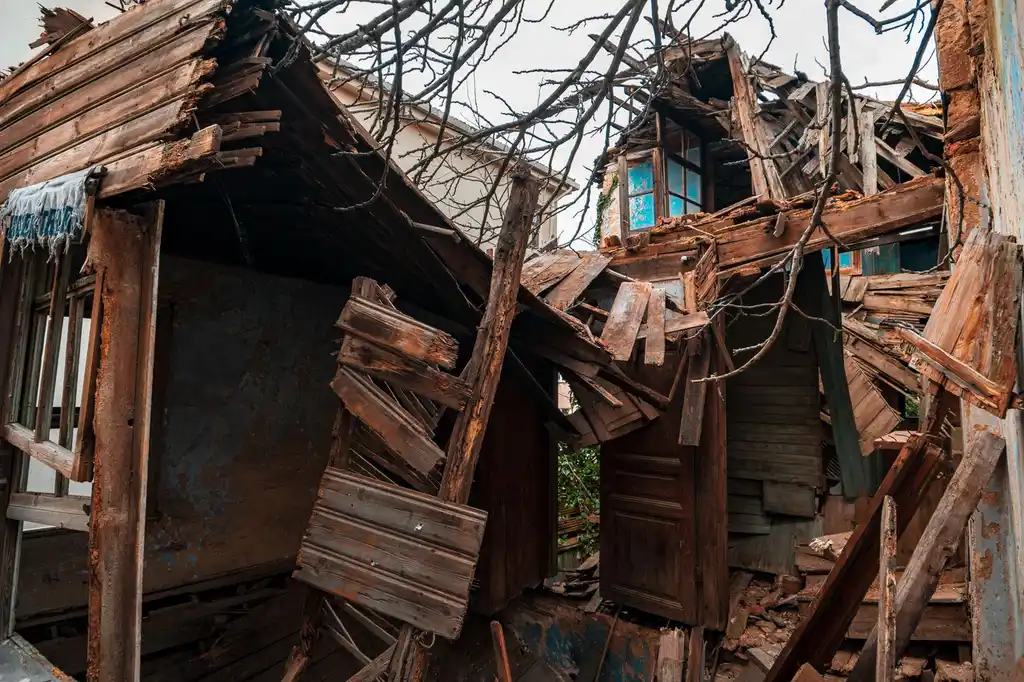
Your sump pump fails during a spring storm and your finished basement takes on two inches of water.
We extract water from carpet and padding, remove any materials that cannot be dried, and set dehumidifiers and air movers. We document everything for your insurance claim and check your sump pump for the cause.
Outcome: Your basement dries in four to five days, and you have a clear record of the damage for your adjuster.

A roof leak after a storm leaves a water stain on your ceiling and wet insulation above.
We trace the leak with thermal imaging and a boroscope, extract water from the ceiling cavity, and dry the affected area. If drywall or insulation needs replacement, we handle that too.
Outcome: You stop the leak, dry the structure, and repair the ceiling without hiring a separate contractor.
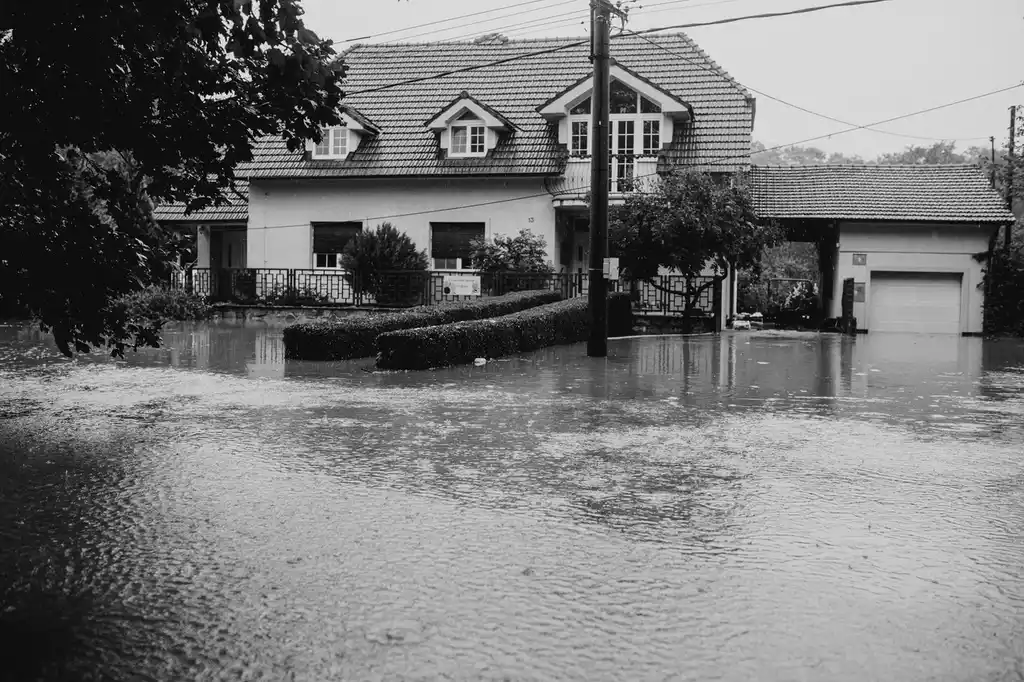
Your water heater leaks while you are at work and you come home to wet carpet in the hallway.
We extract water from carpet and padding, check for moisture behind baseboards with a moisture meter, and set drying equipment. We also inspect the water heater and shut-off valve.
Outcome: Your hallway dries in three days, and you know whether the water heater needs replacement.
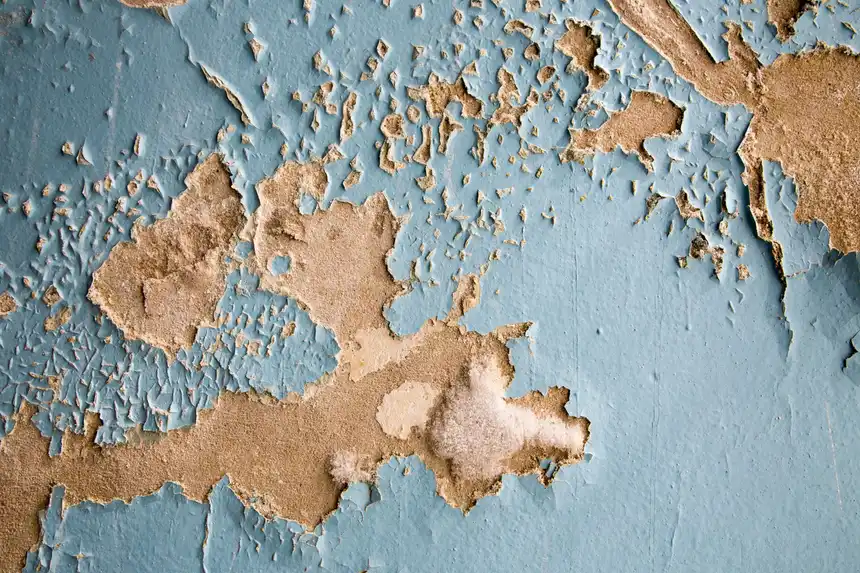
A slab leak under your foundation sends water up through your flooring and you notice warm spots.
We use thermal imaging and moisture meters to confirm the leak location, extract water, and dry the affected flooring and subfloor. We coordinate with a plumber to repair the slab leak.
Outcome: You fix the leak, dry the structure, and avoid replacing the entire floor.
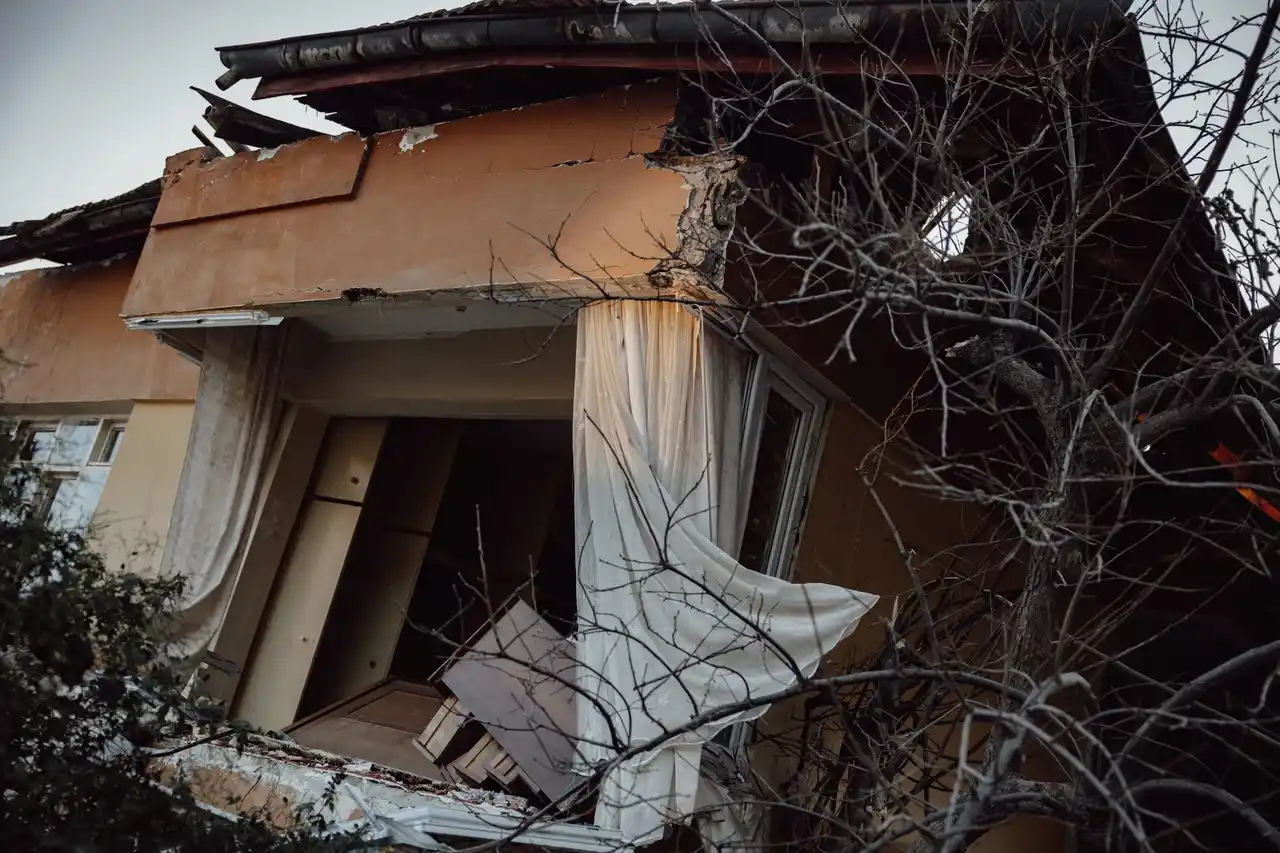
Midland's climate drives most of the water damage we see. Freeze-thaw cycles in winter crack supply lines and cause burst pipes. Spring storms overwhelm sump pumps and flood basements. Summer humidity slows drying, so we run dehumidifiers longer and check readings more often. Older homes in Downtown Midland and Midland Central often have cast iron drains and galvanized supply lines that are prone to failure.
Newer builds are tighter, which means moisture gets trapped in wall cavities and needs mechanical drying to escape. We know the building stock here, and we adjust our drying plan based on what we find. If you need emergency water damage restoration in Midland MI, we are already in your area.
Before: A supply line burst under a kitchen sink overnight. Water spread across 400 square feet of hardwood and soaked into the subfloor. The homeowner found it at 6 a.m. and called us immediately.
After: We extracted 15 gallons of standing water, set drying mats under the hardwood, and ran dehumidifiers for four days. Moisture readings returned to dry standard. The hardwood was saved, and no mold growth occurred.
We recommended the homeowner install a water leak detector under the sink and replace the aging supply line. Both are inexpensive and prevent a repeat.
Before: A spring storm knocked out power, and the sump pump failed. The finished basement took on two inches of water, soaking carpet, padding, and the bottom two feet of drywall.
After: We removed the carpet and padding, cut out the wet drywall, and dried the framing and concrete floor in five days. The homeowner replaced the sump pump with a battery backup. Total drying time was five days.
We suggested testing the sump pump every spring and installing a battery backup system. That prevents flooding if power goes out again.
Before: A storm damaged shingles and water leaked into a ceiling cavity. The homeowner noticed a stain and called us. Moisture had spread across 60 square feet of insulation and drywall.
After: We traced the leak with thermal imaging, extracted water, and dried the ceiling cavity in three days. We replaced the wet insulation and drywall. The homeowner had the roof repaired the same week.
We recommended an annual roof inspection before winter and after any major storm. Catching damaged shingles early prevents ceiling leaks.
From burst pipes to basement flooding, we handle the water damage scenarios Midland homeowners face most. Here is what we fix and why it matters.
A dry, documented structure and no mold growth.
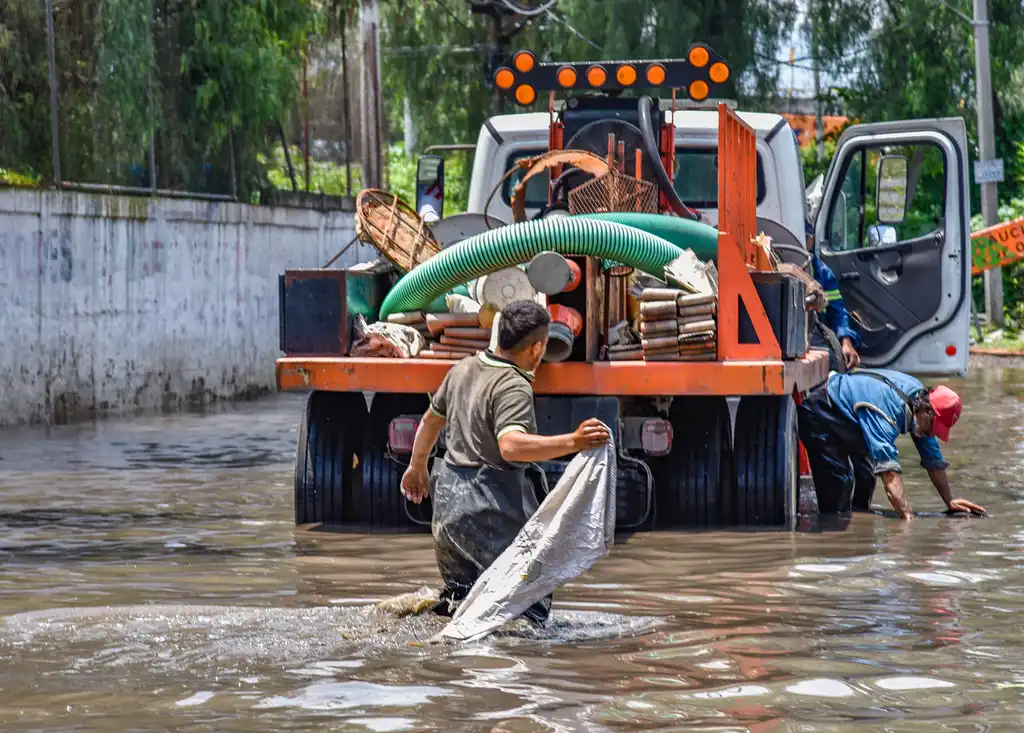
Water does not wait for business hours. We answer calls at 2 a.m. for burst pipes and sump pump failures, and we dispatch crews across Midland County with extraction equipment ready. Most emergency calls get a technician on-site within 60 to 90 minutes.
We document every affected material with photos, moisture readings, and Xactimate line items your adjuster recognizes. That means fewer back-and-forth questions and faster claim approval. We work with all major carriers and can bill you directly for covered work.
We log moisture content, temperature, and relative humidity every day until your structure hits dry standard. You get those readings in writing, which protects you if a contractor or buyer asks questions later. No guesswork, no early equipment pickup.
What a written scope covers and what shapes it. Prices are set by the business after the first look.
Included
Depends on
Clear records you can keep and share.
Daily moisture readings for every room
Before, during, and after photos
Diagram of wet zones and drying goals
List of affected materials and work
Not all water damage is the same. The category determines what we can dry and what must be removed.
Clean water from a supply line or appliance
Gray water with some contamination
Black water from sewage or flooding
A list like this tells people straight away whether you cover their street. Not listed? Call and ask: it only takes a minute.
Based in Midland and covering the places around it. Pick one for local details.
Cost depends on how much water there is, what materials are affected, and how long drying takes. If the loss is covered by insurance, you typically pay your deductible and we bill the carrier directly.
Yes, most homeowners policies cover sudden and accidental water damage, like a burst pipe or appliance failure. Flood damage from rising water usually requires separate flood insurance. We document everything with photos and moisture readings, then work directly with your adjuster to support the claim.
Extraction takes a few hours. Structural drying typically runs three to five days, depending on materials and how quickly we can reach hidden moisture. If reconstruction is needed after drying, that adds time. We give you a day-by-day schedule after the initial inspection so you know what to expect.
In most cases, yes. If the affected area is contained and equipment noise is manageable, you can stay. If the water is contaminated, like sewage backup, or if drying equipment makes the space unusable, we will tell you upfront and help you plan. We never leave you guessing about safety.
Other services from the same team.
Water spreads fast. Every hour you wait, drying takes longer and mold risk goes up. We answer, we dispatch, and we document everything for your insurance claim.